Part 2: Experiments and fails
I’m rather excited about my latest projects for Little Miss Drop Stitch. I’ve been challenging myself to save money and be more sustainable, so I bought white clothes cheaply from Vinted and had a go at dyeing a new lease of life into them.
None of the content is sponsored by Vinted or the dye brands mentioned; I purchased everything with my own money.
I wanted to share with you both the successes and fails of dying my own clothes and what I learned along the way. There is also a YouTube video on this topic. Click here to watch it.
If you would like specific instructions for how to dye clothes by hand, our YouTube channel has a video on dying by machine, hand and ombre, simply click the links.
Click here to visit part 1, which is a no-nonsense how-to and what you’ll need to know before getting started.
Play with it!
My sewing experience meant that I anticipated the thread used for stitching would likely be polyester. This meant that it did not get covered in dye for natural fabrics. This actually created a really cool contrast and made the new colour pop even more. Here are some examples below.
You could really play around with this. Another idea is to dye Converse or similar style shoes and the dye would stick to the fabric, but not the rubber edging and sole.
If you are sewing and wanting to dye the fabric, I would suggest dying the fabric first, then sewing, so you can match your thread.
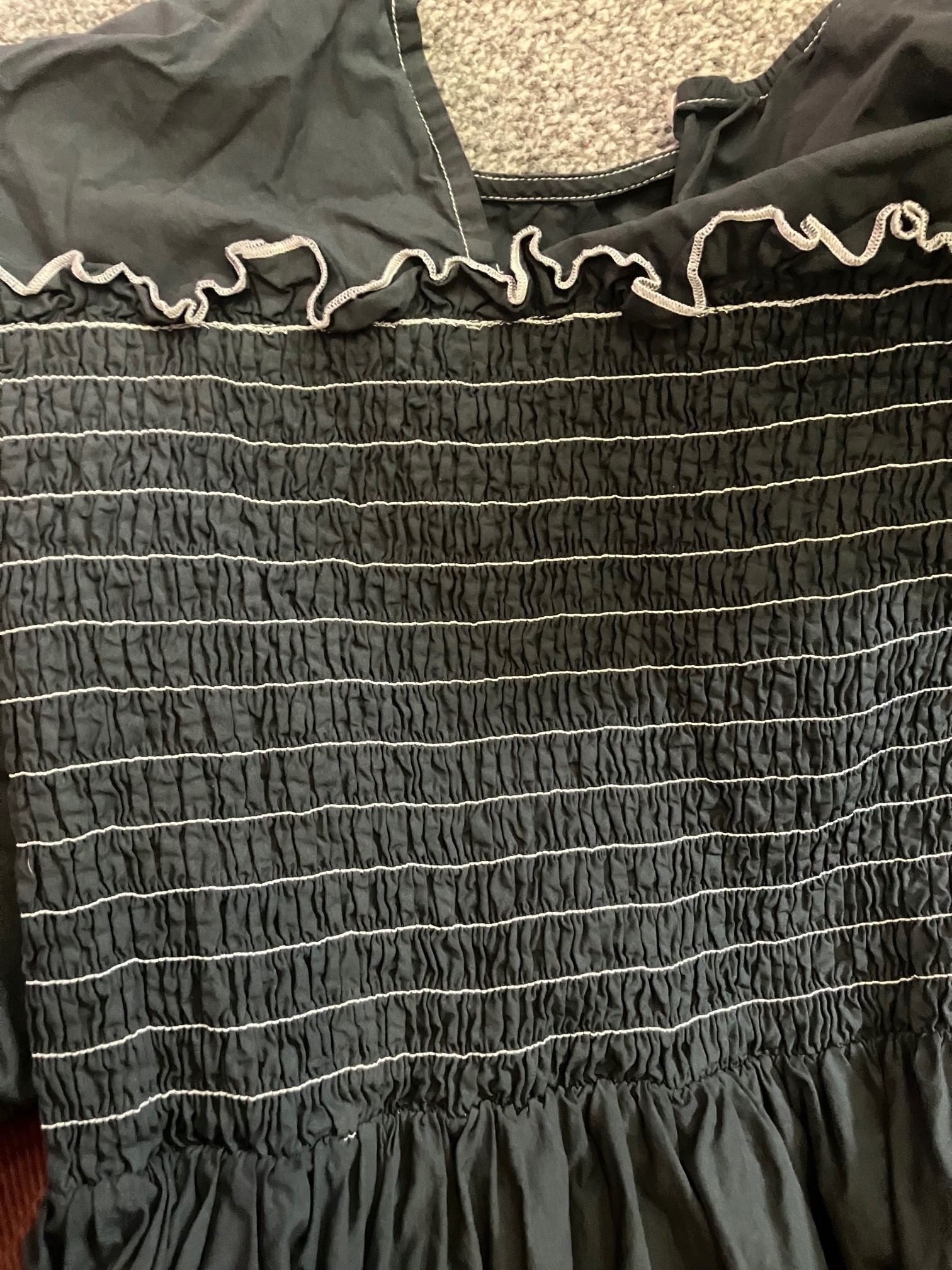
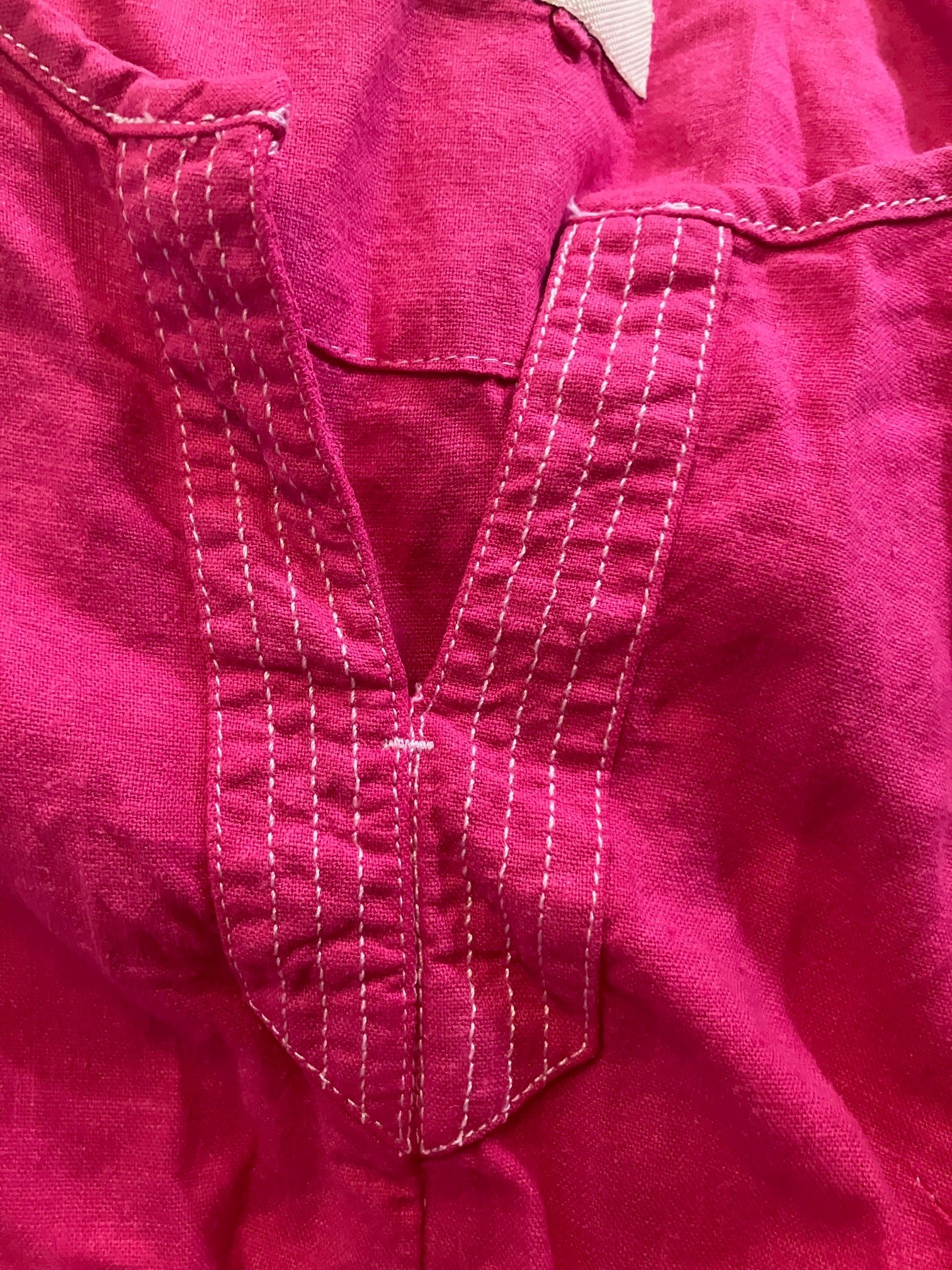
Synthetic fails and wins
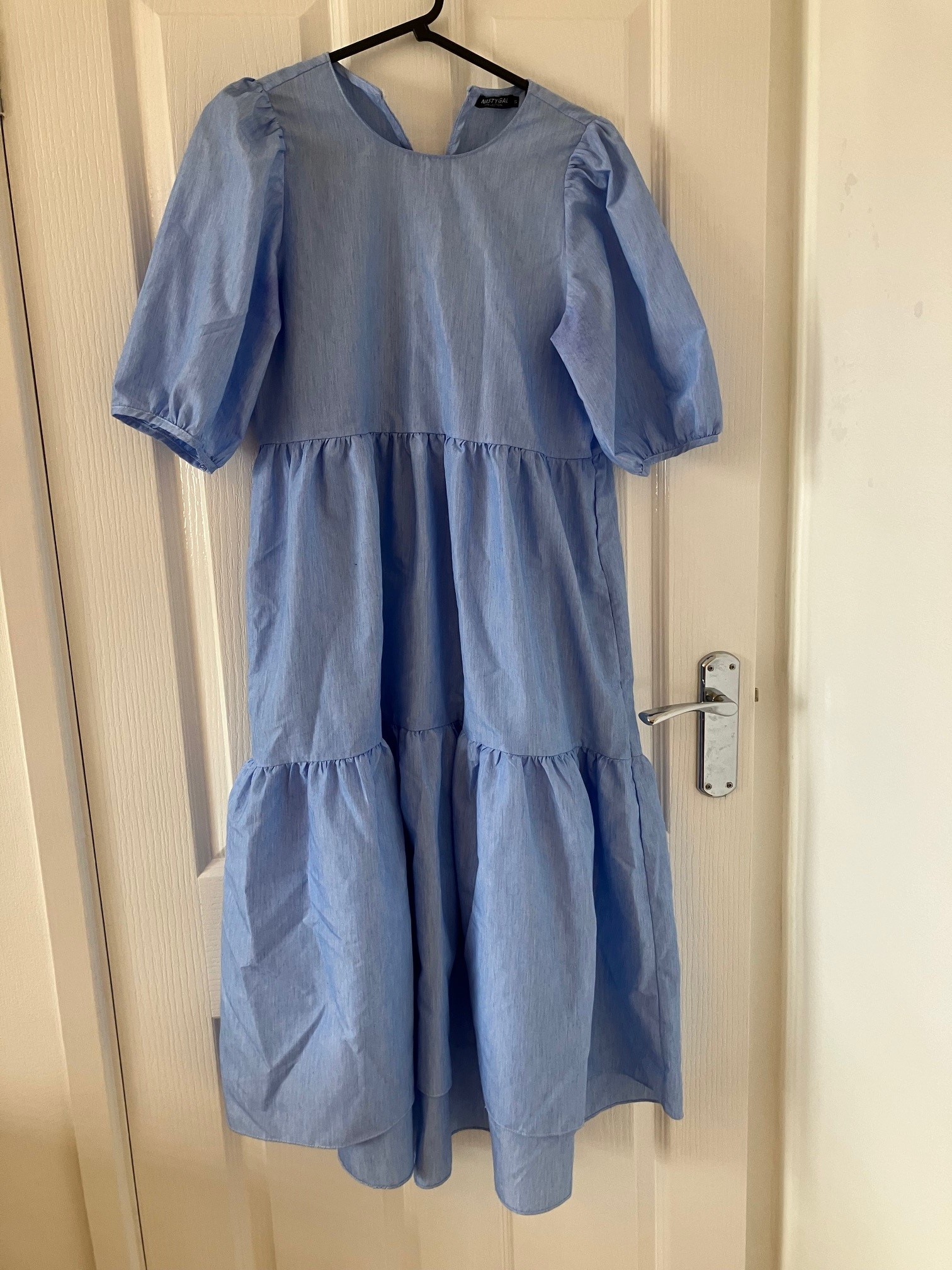
Here is an image of a dress from Vinted which said cotton, but was actually 85% polyester and only 15% cotton. It’s not terrible, but it’s also not the result I had in mind. I totally get why the Vinted seller ticked the cotton box, as it is and most buyers don’t care about the exact percentages. From there on, I’ve made sure I didn’t waste my money, by taking time to ask the seller about the fabric composition, rather than impulse buying.
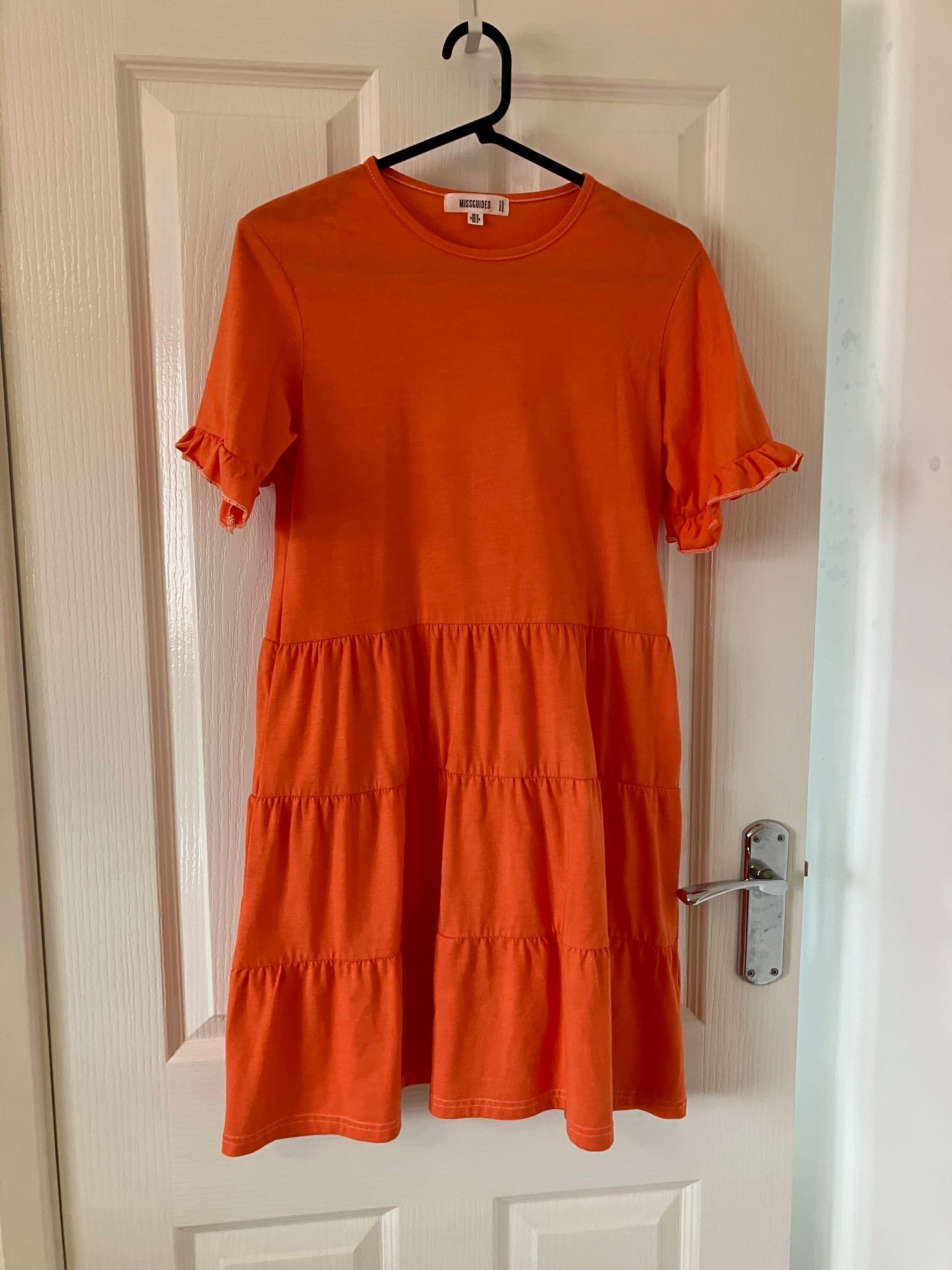
So, after the fail I went through the other clothes and actually read the labels. To my horror, another dress was labelled 50% cotton 50% polyester. I had bought the dye anyway, so I had a go and I’m really happy with the colour this orange dress turned out. To me, it’s well saturated.
I did look at getting dye for synthetic fabric, however, they seemed to be hot wash only. The method advised was to cook on the stove top and I didn’t want the cost of getting a pan just for this.
Quantity
Something that surprised me is that fabric dye actually dyes a lot less fabric than you’d think. Let’s be clearer: the dye will work, but if you have more fabric than recommended, it will come out a lighter colour. For hand dying, this will equate to a pair of shorts or a shirt. For machine dying packs, this will cover a larger item, such as a dress.
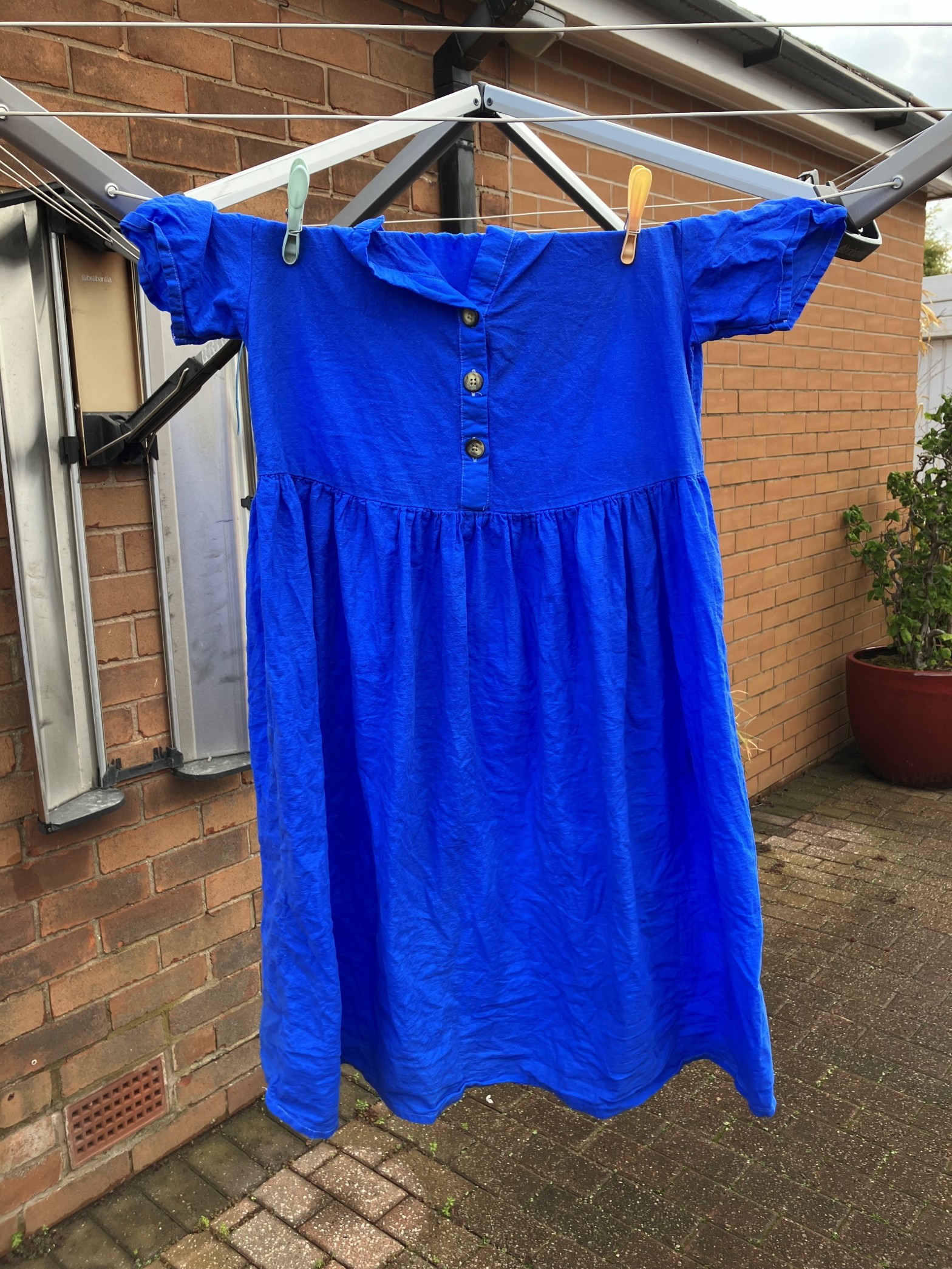
Now for me this worked as a happy accident, as I’d been searching for a bright light blue-but not turquoise-fabric. The colour below is Dylon, shade Ocean Blue. The left image shows the full saturated colour and the right is a dress in the same colour dye, but about 150g more fabric than recommended.
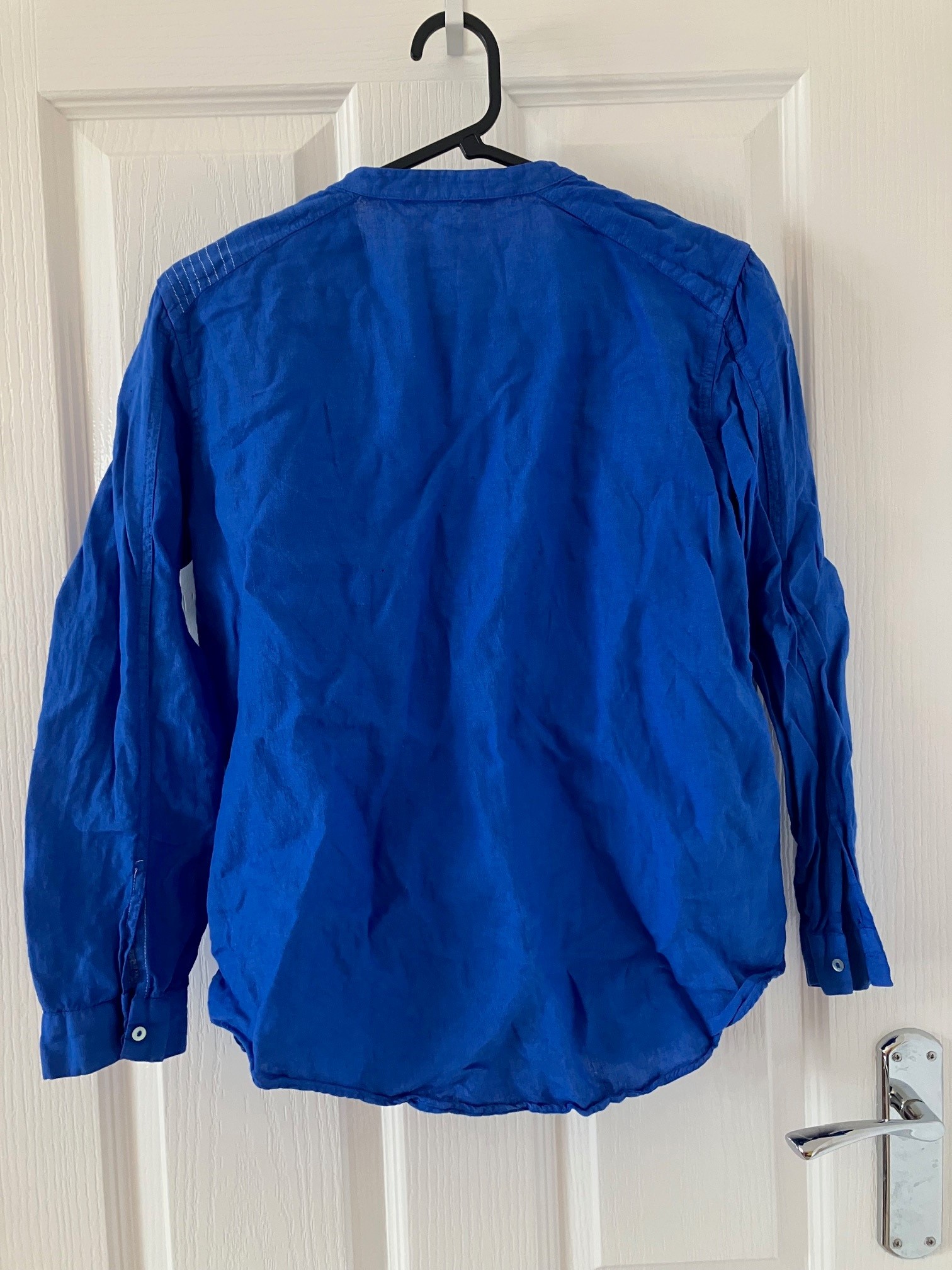
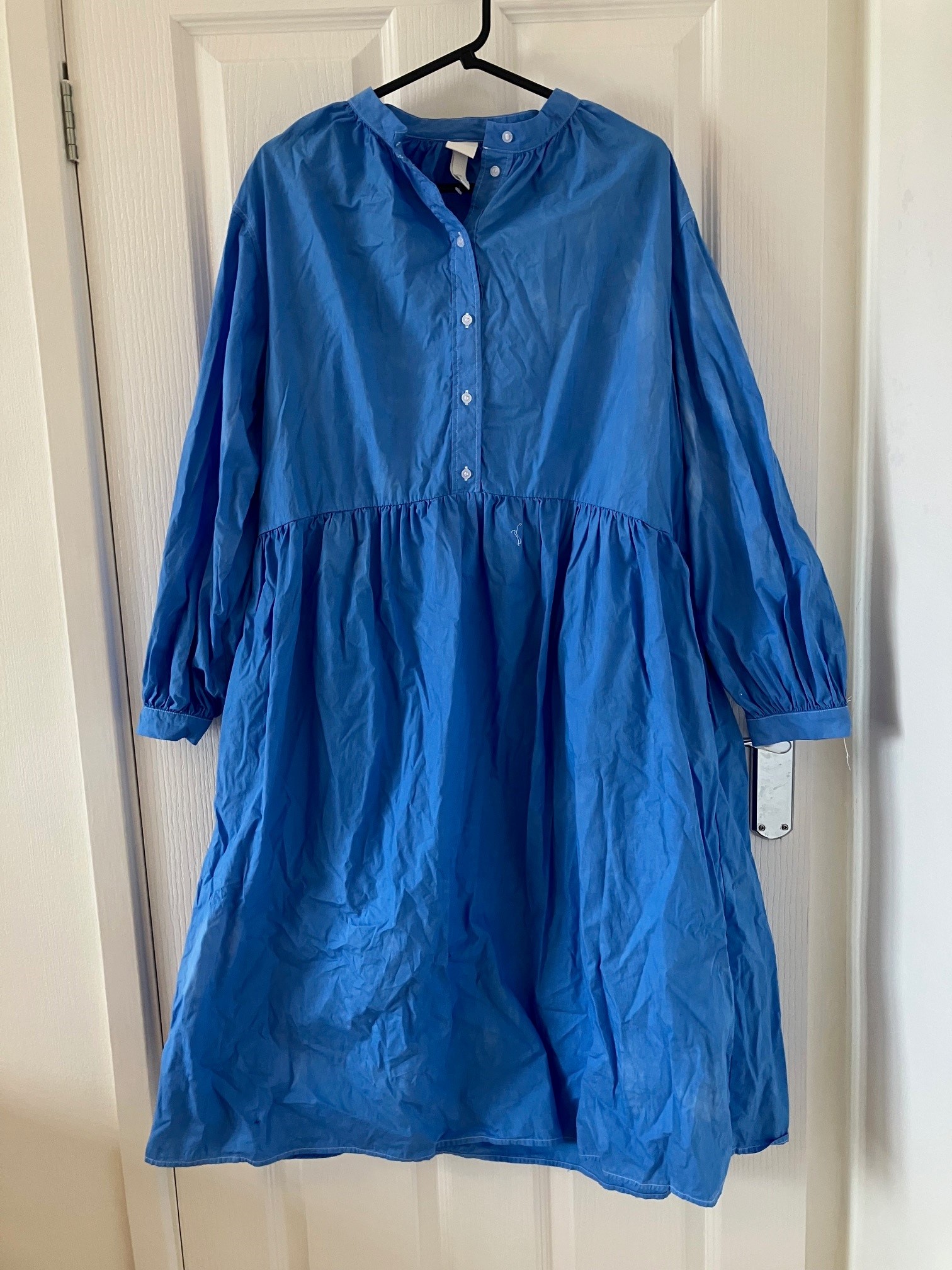
Fabric is weighed dry and I did this on my kitchen scales. Your dye instructions will say on the recommended fabric weight for full saturation.
Wet fabric
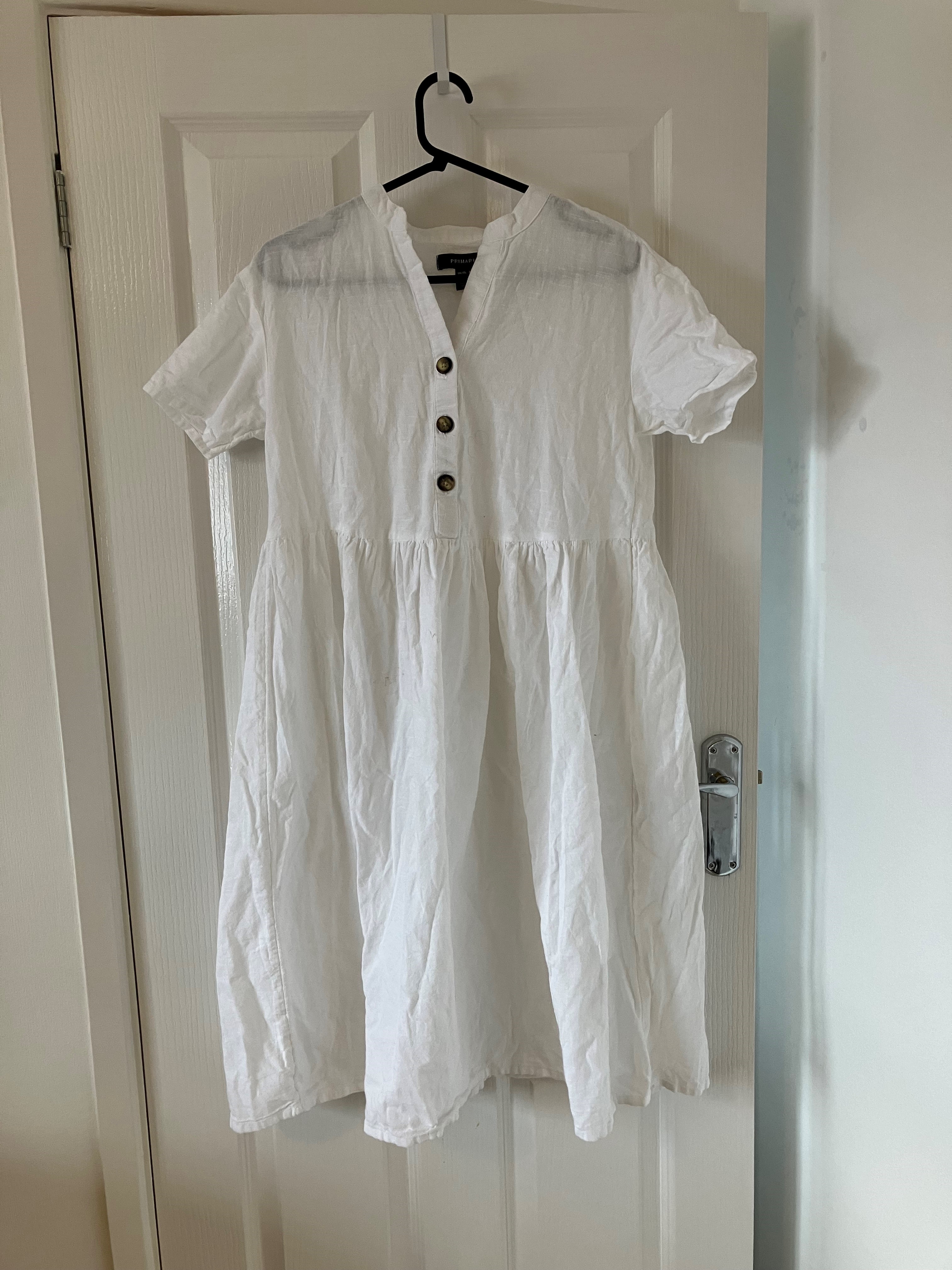
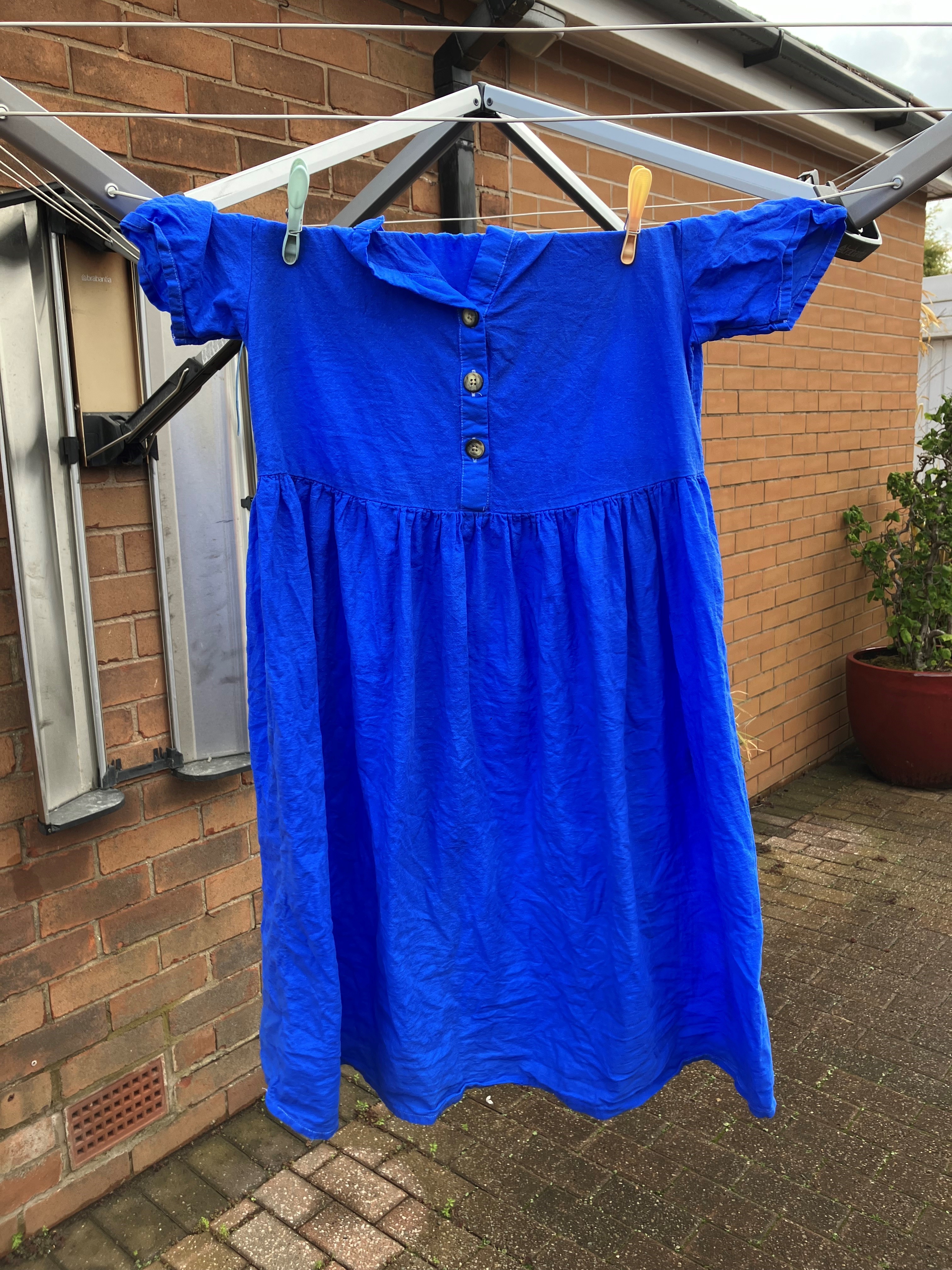
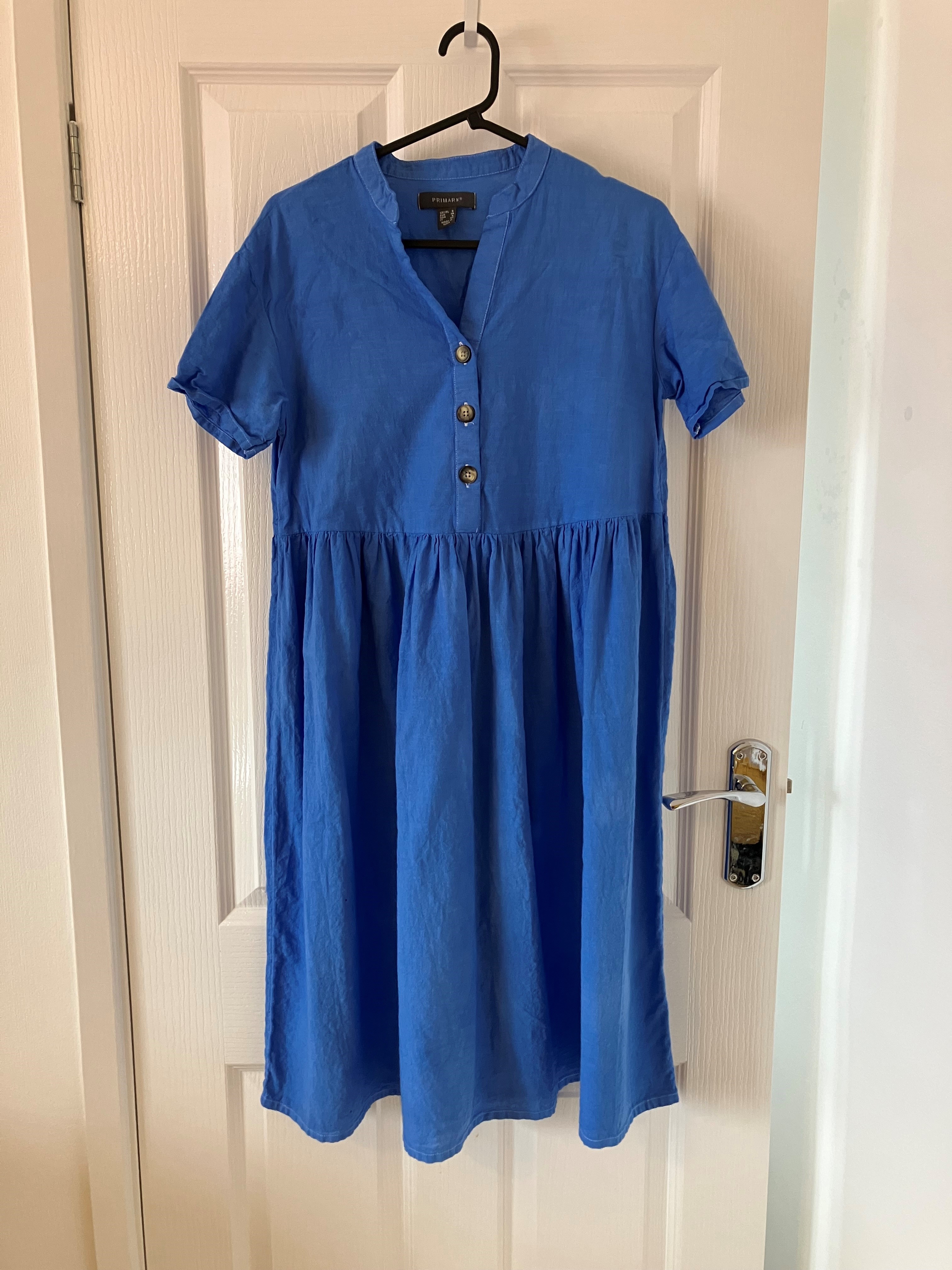
Tis is quite an important thing to take note of…for good or for bad! Wet fabric is darker than the dry fabric. This could be great if you think your fabric isn’t a bright colour, or you could be in trouble if you’re in love with the wet colour, because it will dry lighter. Below are images comparing the initial white dress, with the saturated wet blue dress and the finished dry dress.
Red Dress
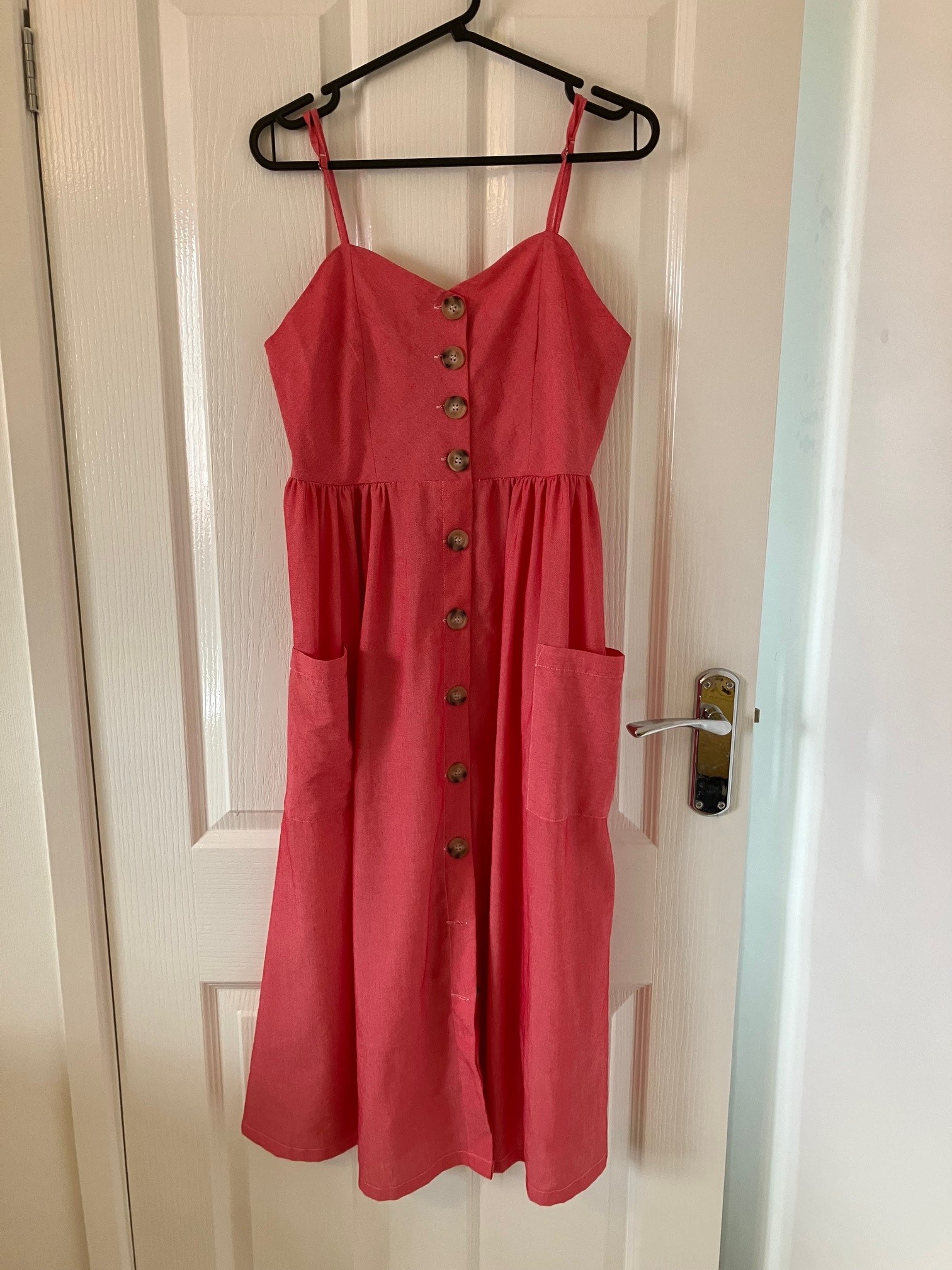
This one is a sore spot for me. I love the tulip red colour by Dylon. I imagine myself in a beautiful fitted tulip-red summer dress…well first I imagine sunshine in the UK.
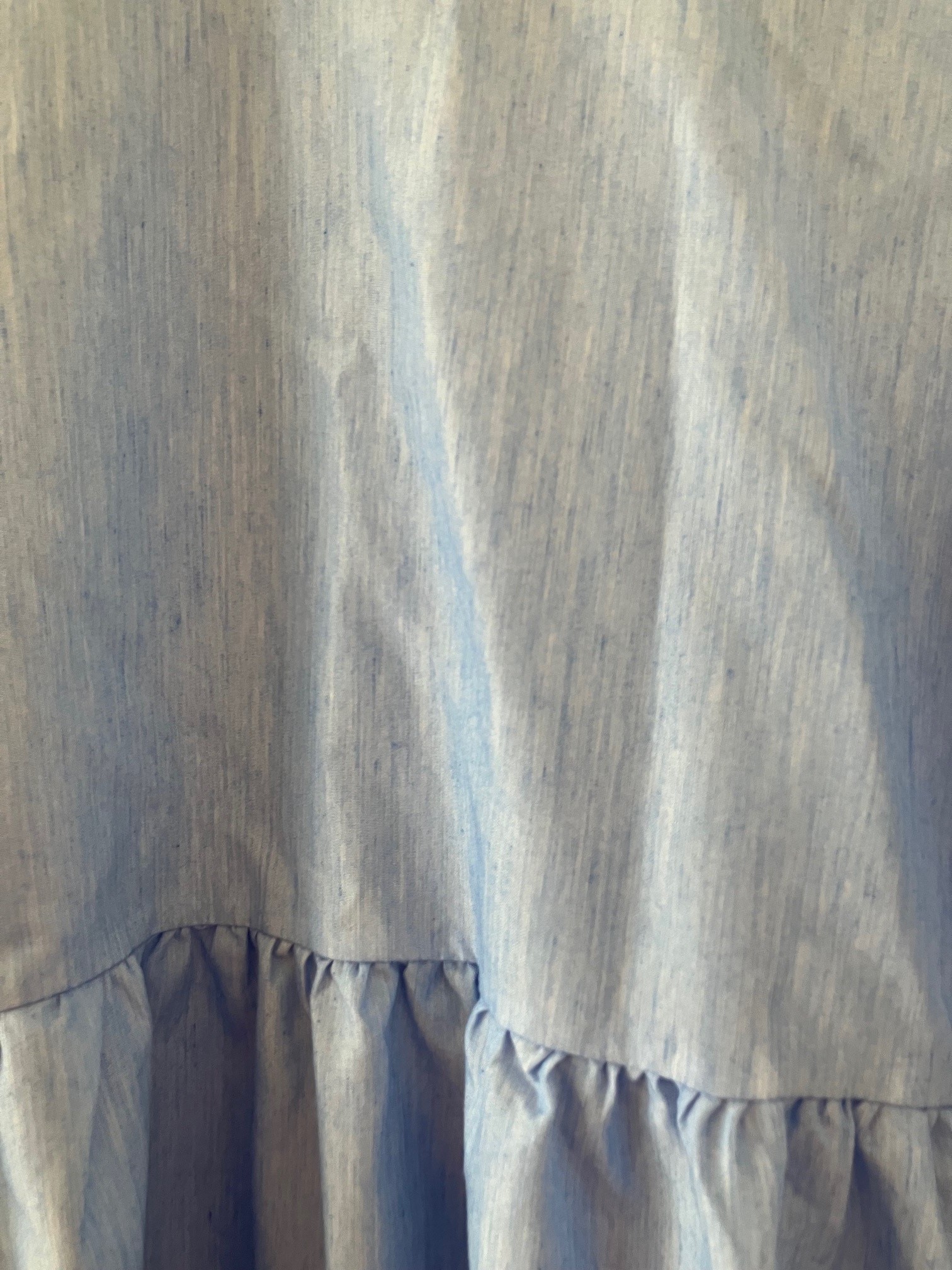
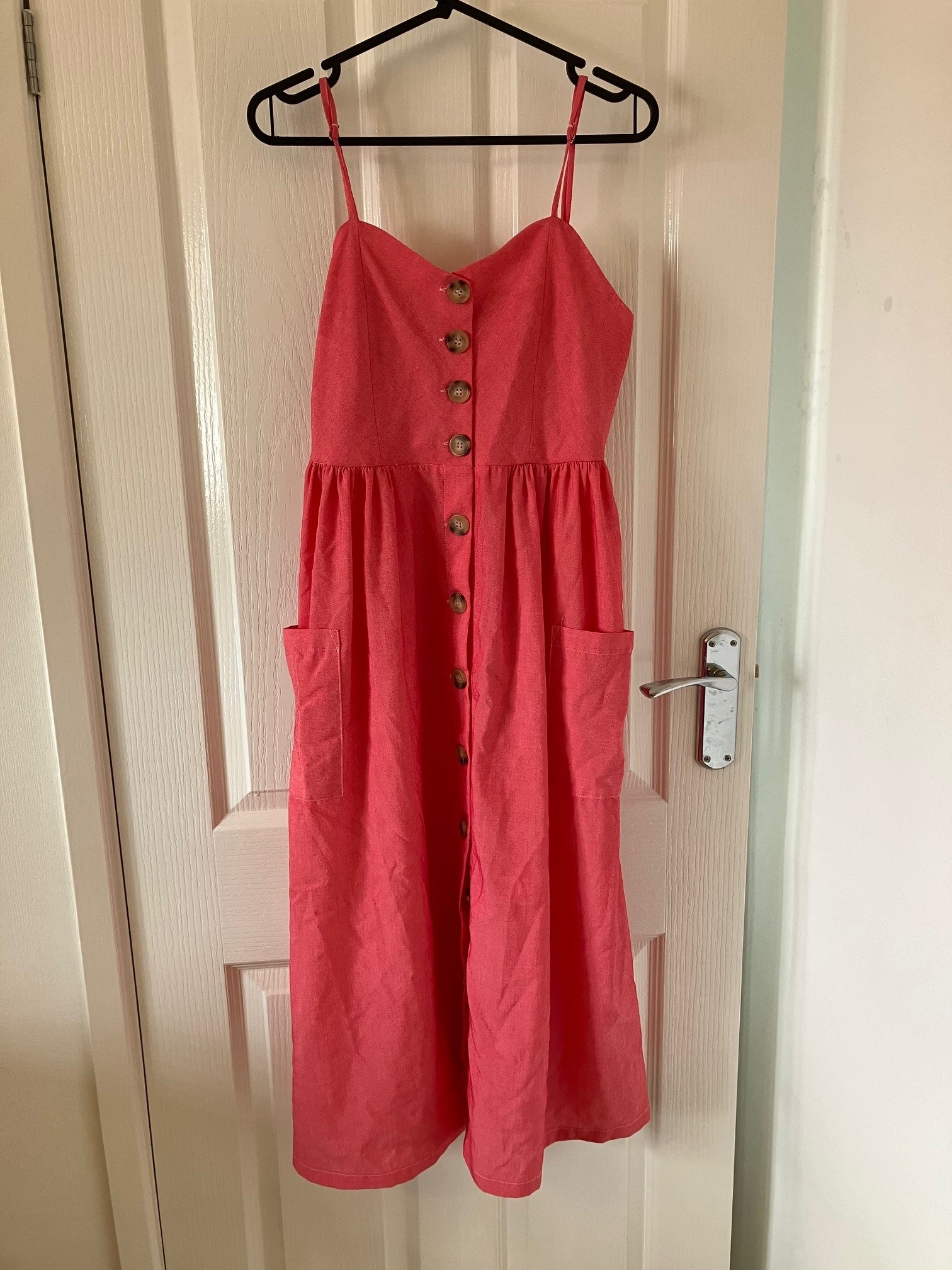
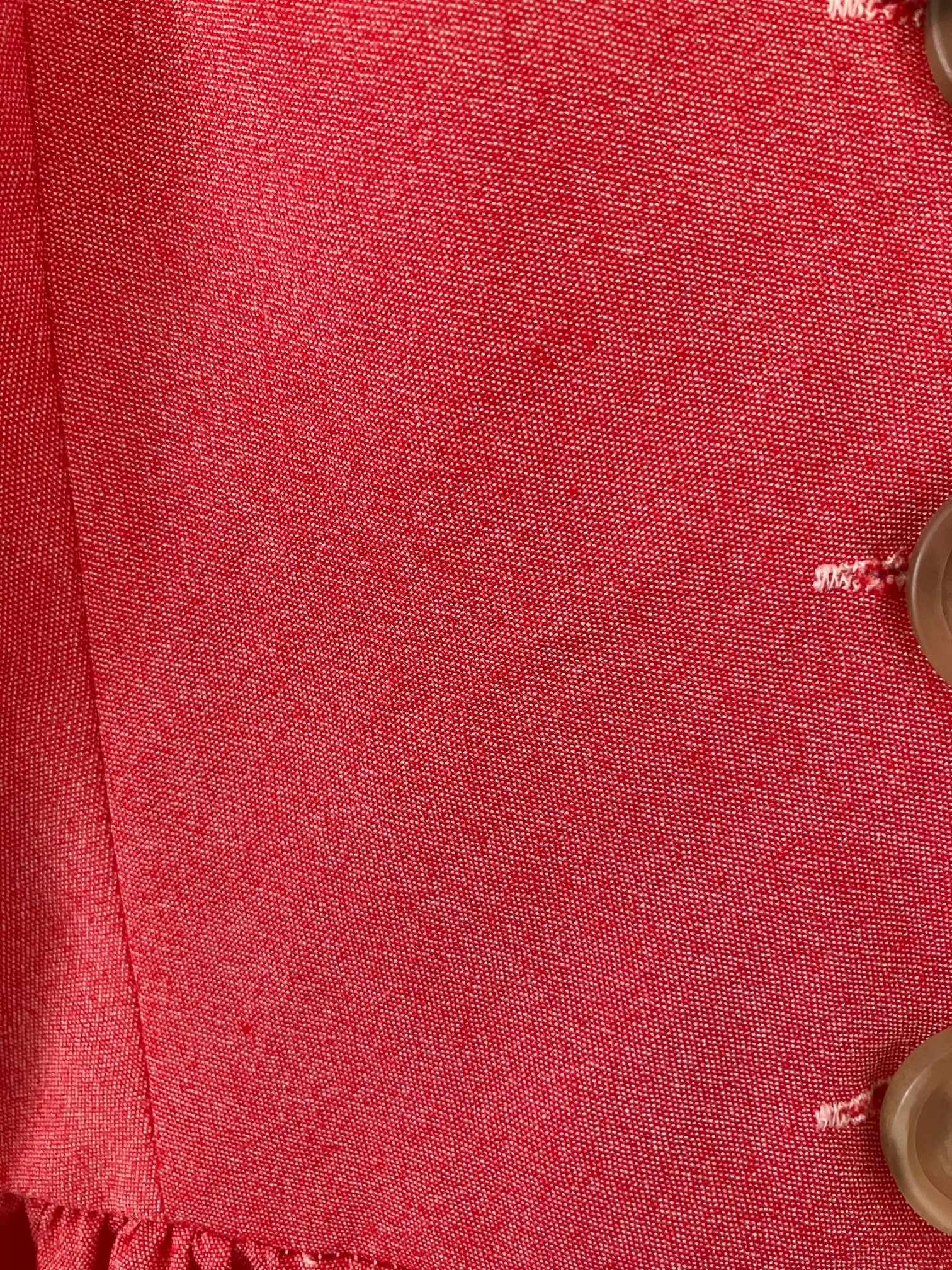
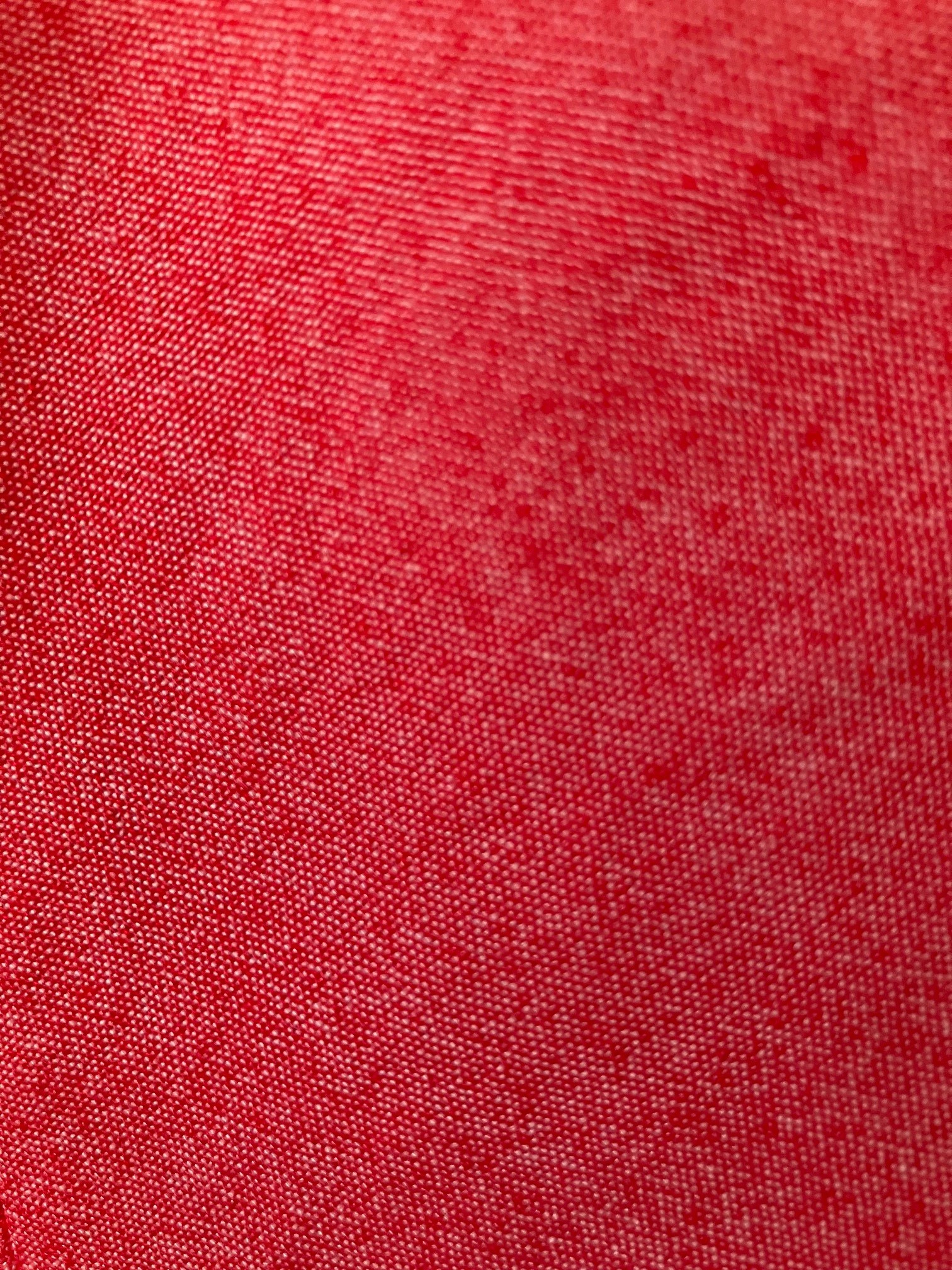
I spent a bit more on a nice white dress on Vinted, as it was just what I was after. When dyed, this fabric looks a bit like a chambray effect. The dye took to some of the threads but not others. How odd given the label says 100% cotton. As we have previously discussed, dye for natural fibres will not stick to synthetic fibres. Do let me know your opinion what has happened here!
I overdyed the dress again but there isn’t much difference or depth to the colour. Sad times indeed. Left images are the first dye and right are over dye.
I’ve enjoyed my journey dyeing clothes and I hope you have learned something as well (hopefully from my mistakes!). I can’t wait to see your projects…have fun.
 Little Miss Drop Stitch