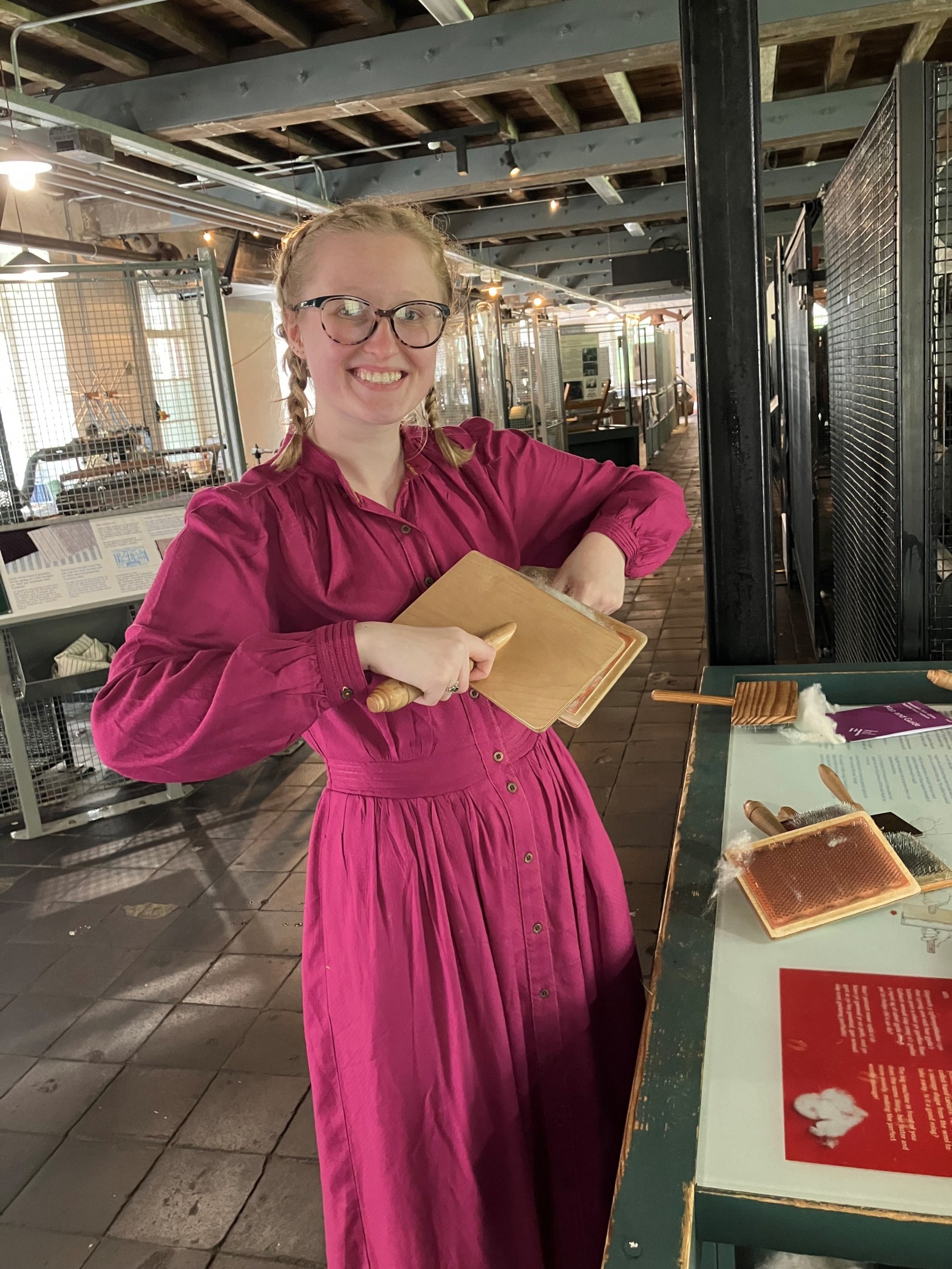
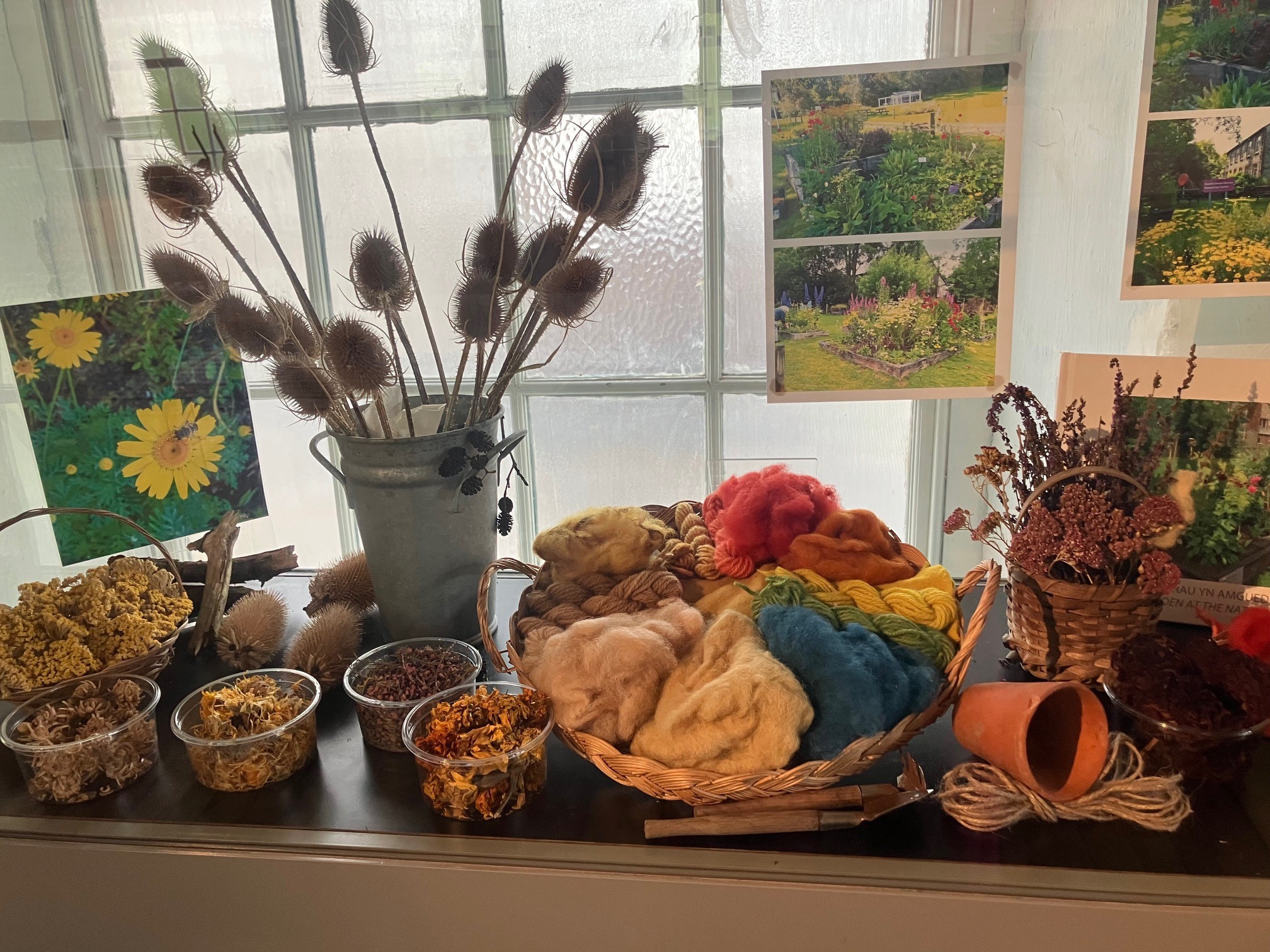
With the pennies dwindling after our my shopping trip, we travelled two hours for a free visit to the National Wool Museum. The gardens are beautiful and lots of places for minibeasts to thrive. In the museum, I learned that the plants have been specifically chosen because they are used to dye wool by volunteers and this home-grown sentiment made me feel fuzzy.
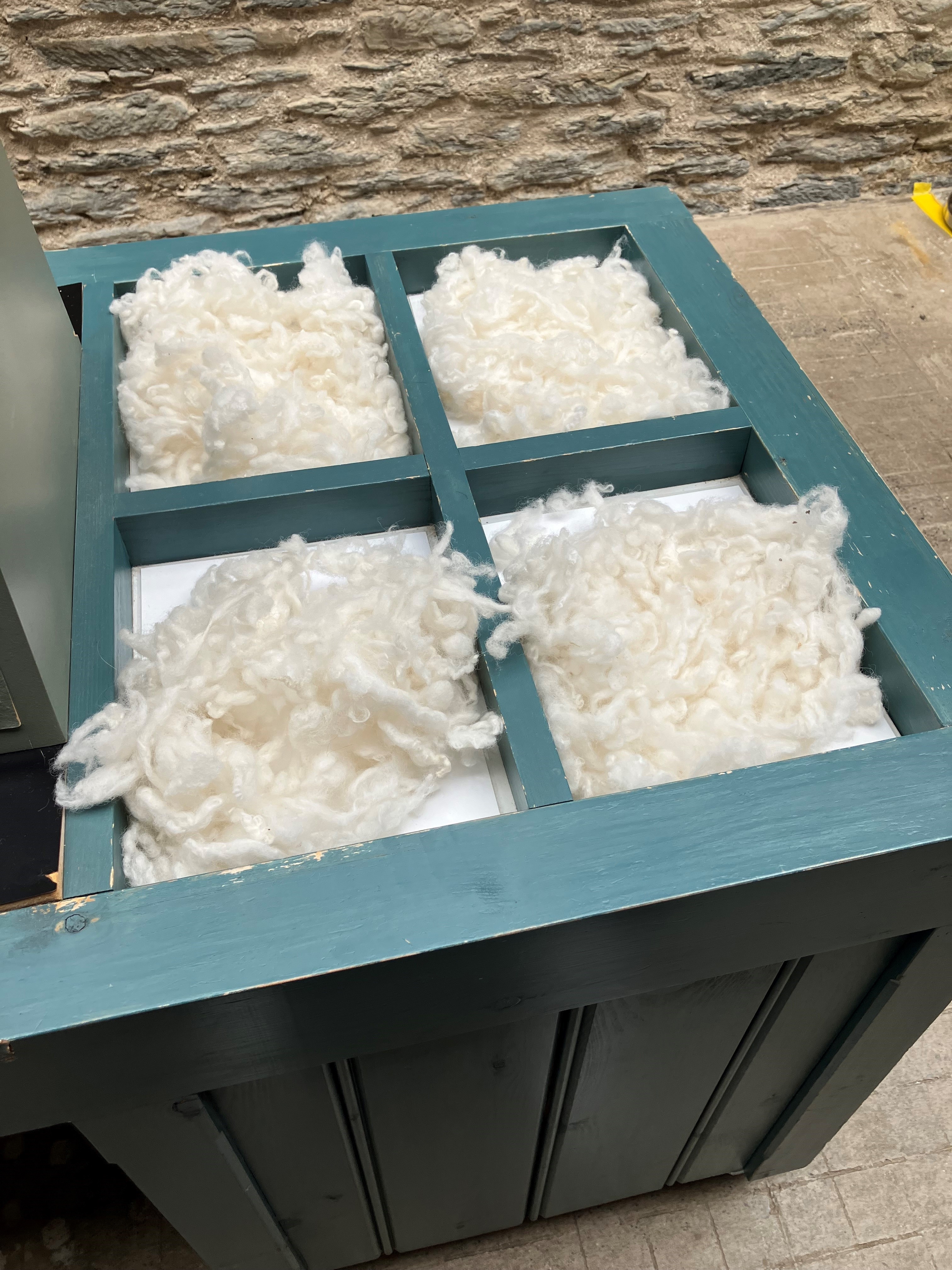
The museum hit me straight away with squishy opportunities to feel fleece and I am totally in awe of the skilled people who are able to sort and grade fleeces technically. I learned how chuffing brilliant wool is; here are all its properties…Insulating as air traps between the fibres. It is eco-friendly because heat, light, damp and moths will bio-degrade wool. Wool is absorbent and can wick away moisture (including sweat),. Furthermore, shrunken wool resists moisture and wool is stretchy and hard wearing. Fleece is a renewable resource – hair cut, anyone?
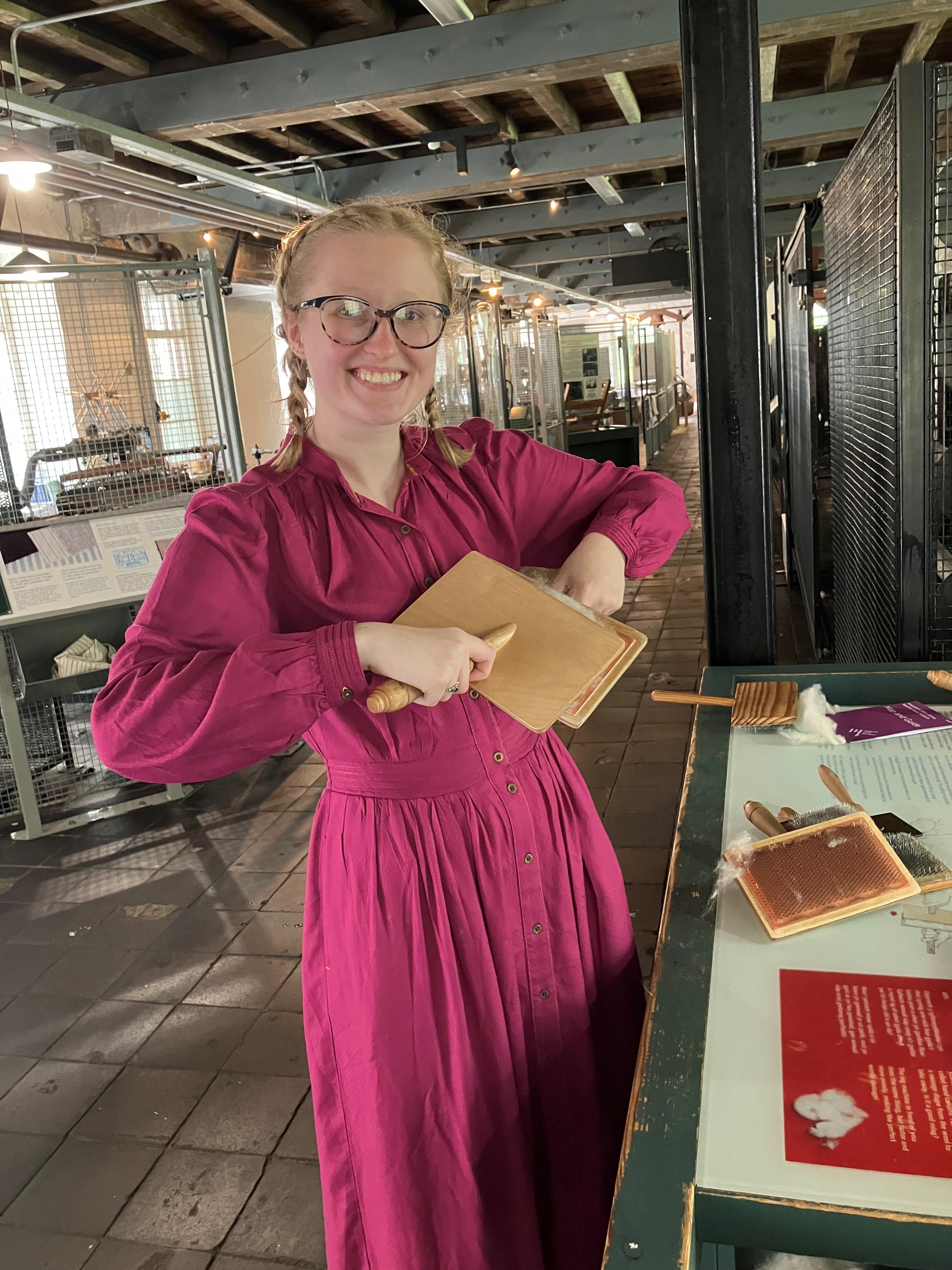
Wool is sorted by colour, fineness, fibre length and felting property. A typical fleece is made up of: 69% wool fibres, 12% earth and sand, 8% water (Welsh rain?), 3% grease (lanolin) and 1% vegetable matter, meaning burrs seeds and twigs. Good to know! Here are some images of me having the best day ever carding wool.
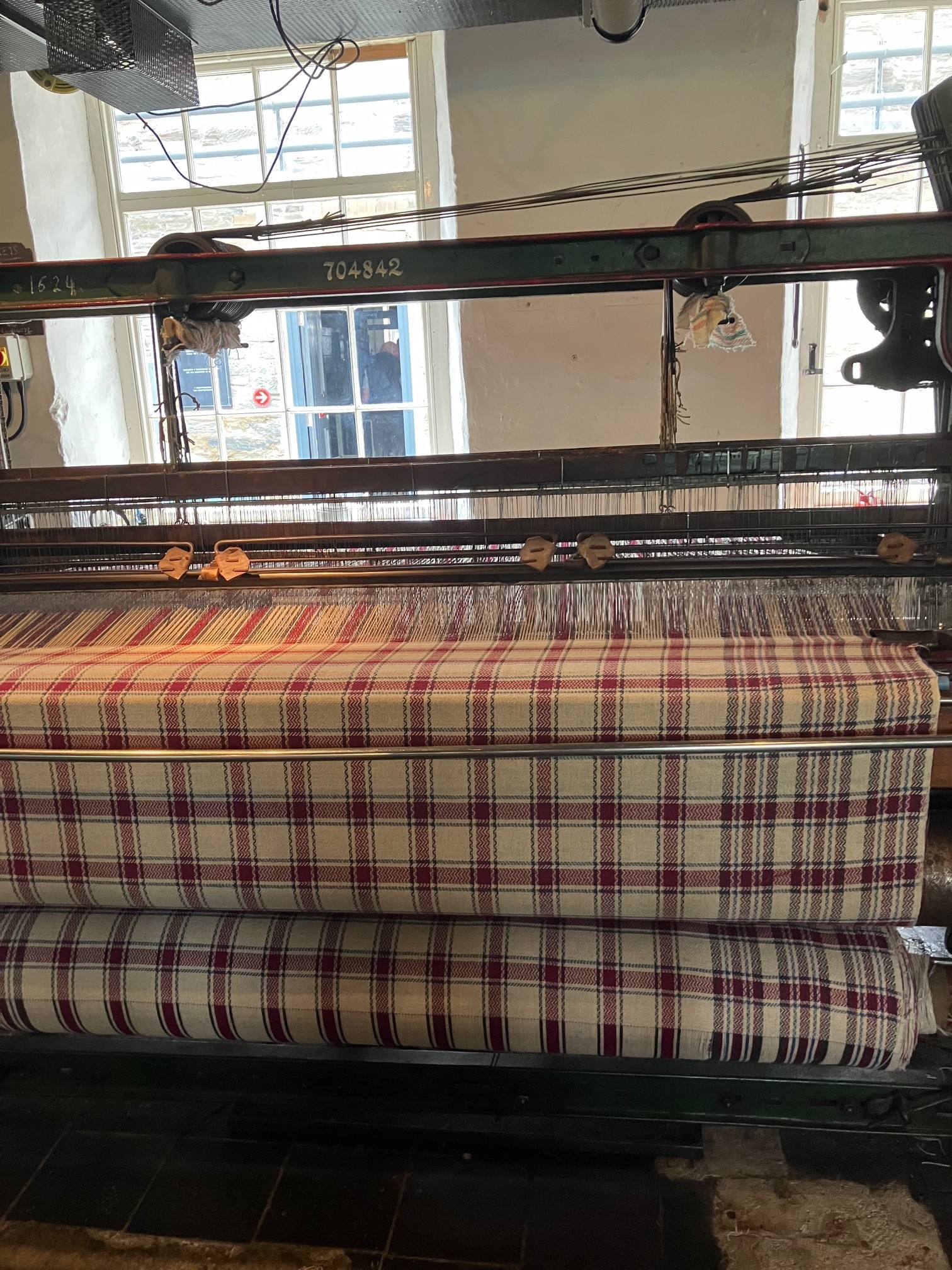
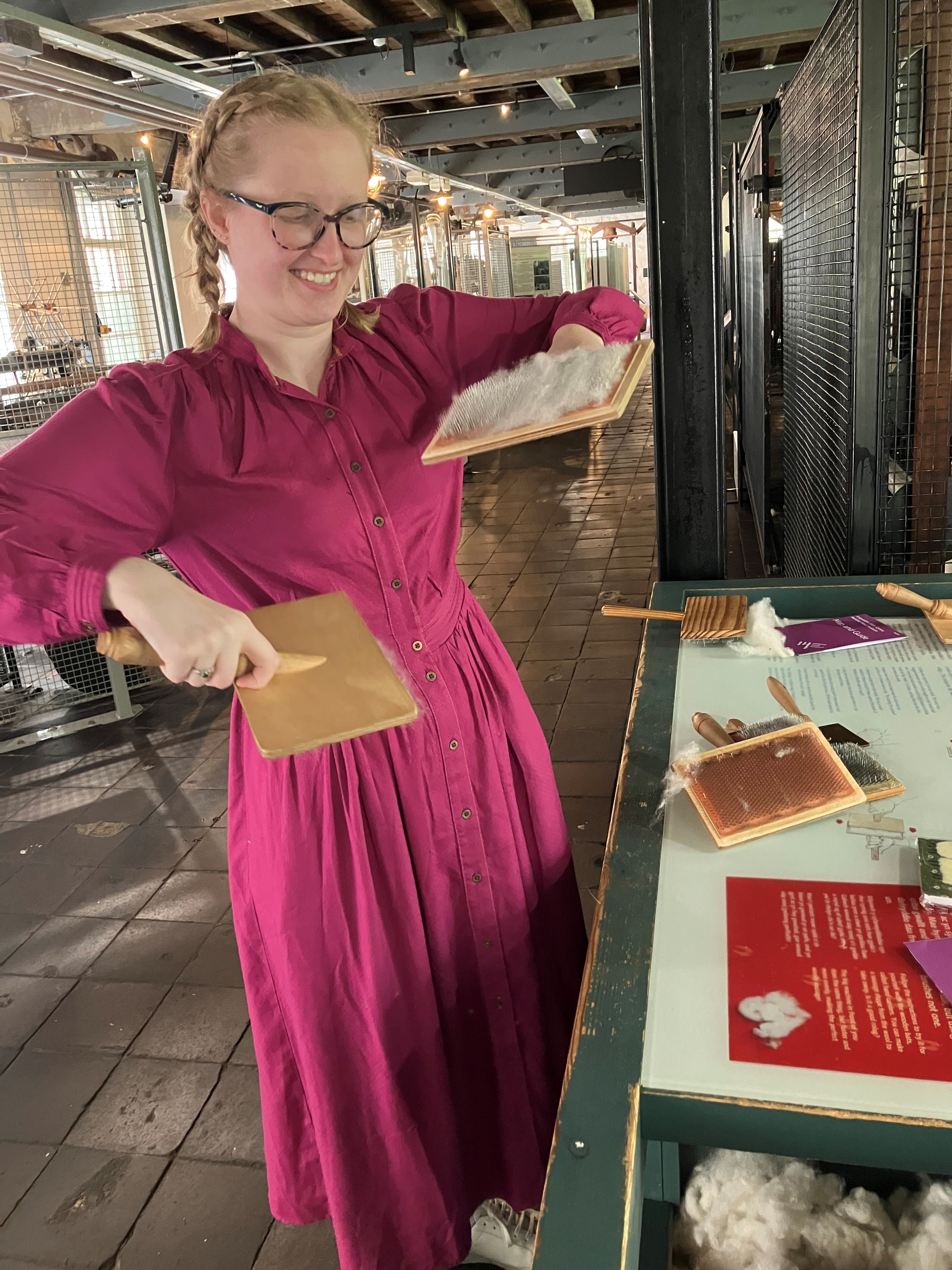
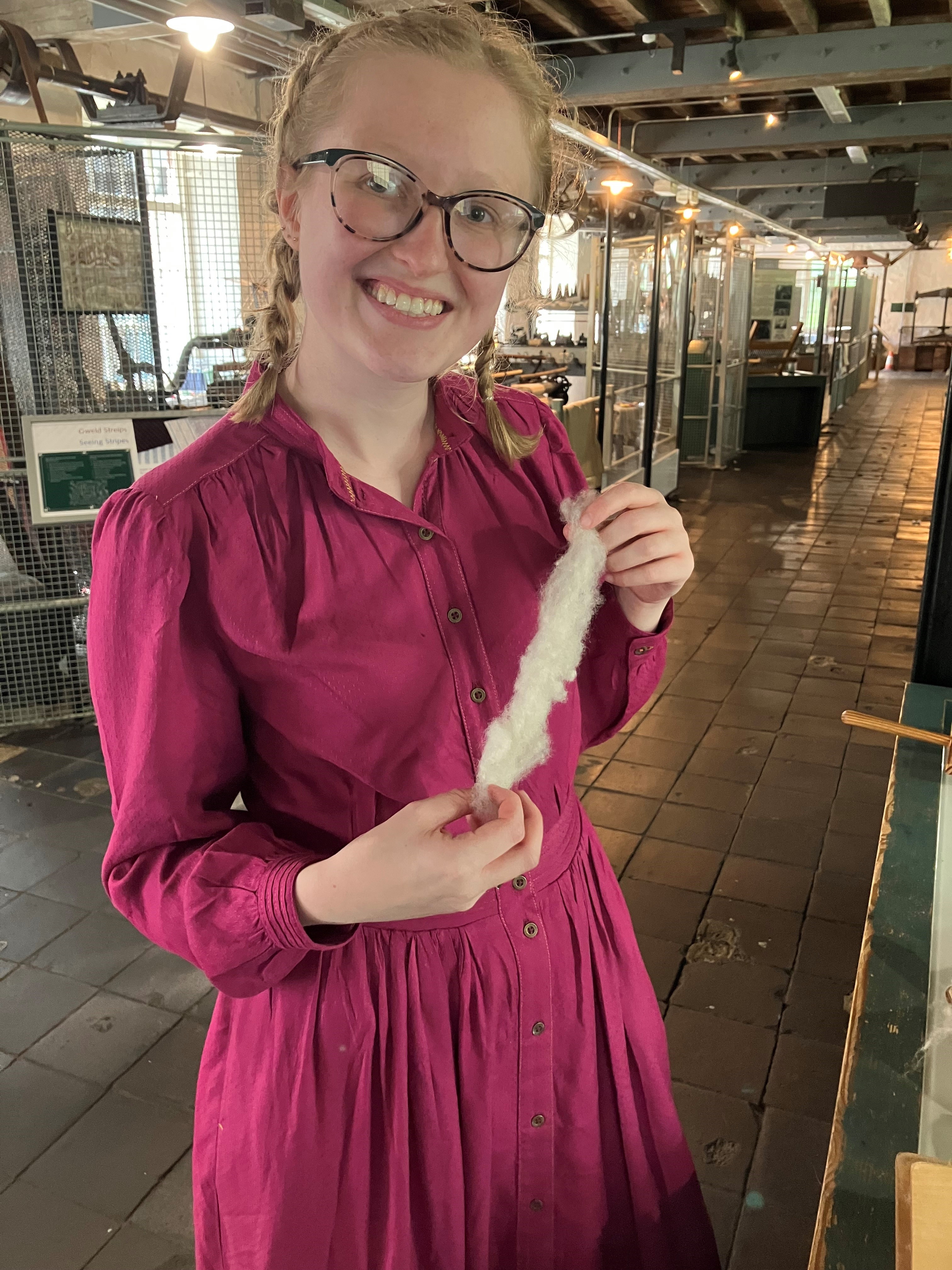
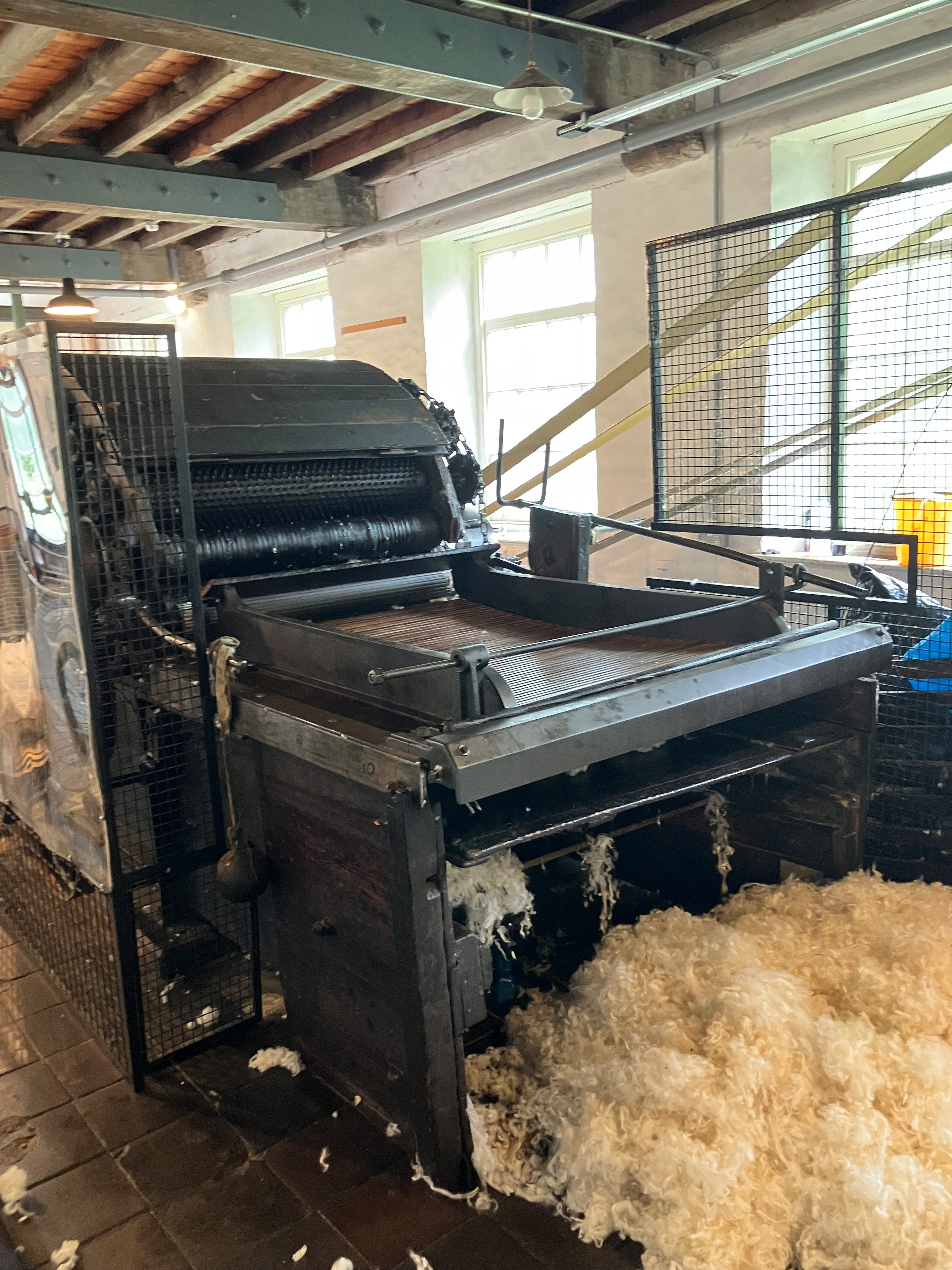
The exhibits then turned to scary industrial machinery and old fashioned health and safety. The machine below was called Diafol, The Devil, because the sharp teeth ripped a man’s arm off. Not the machine in general, this actual one!
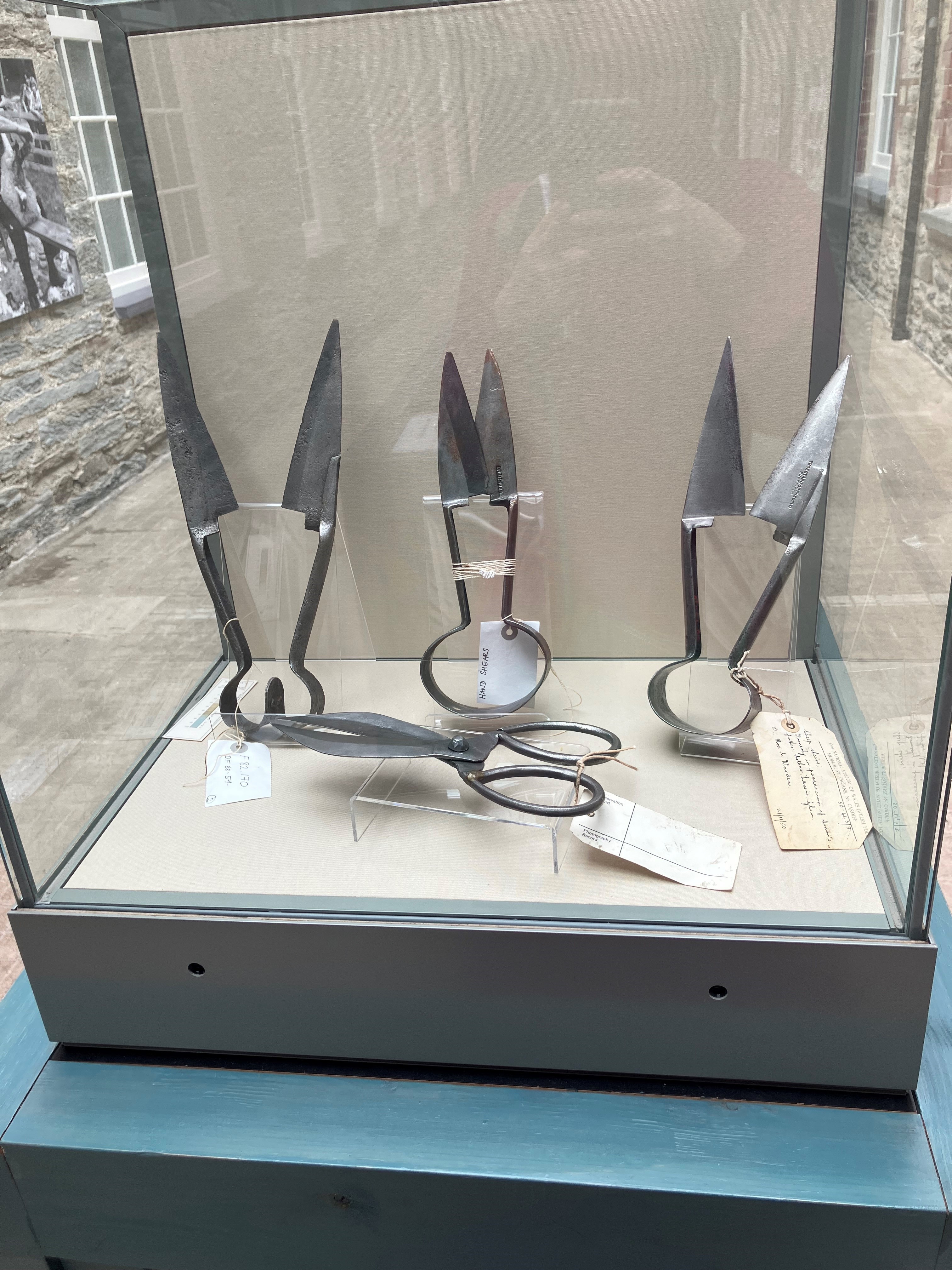
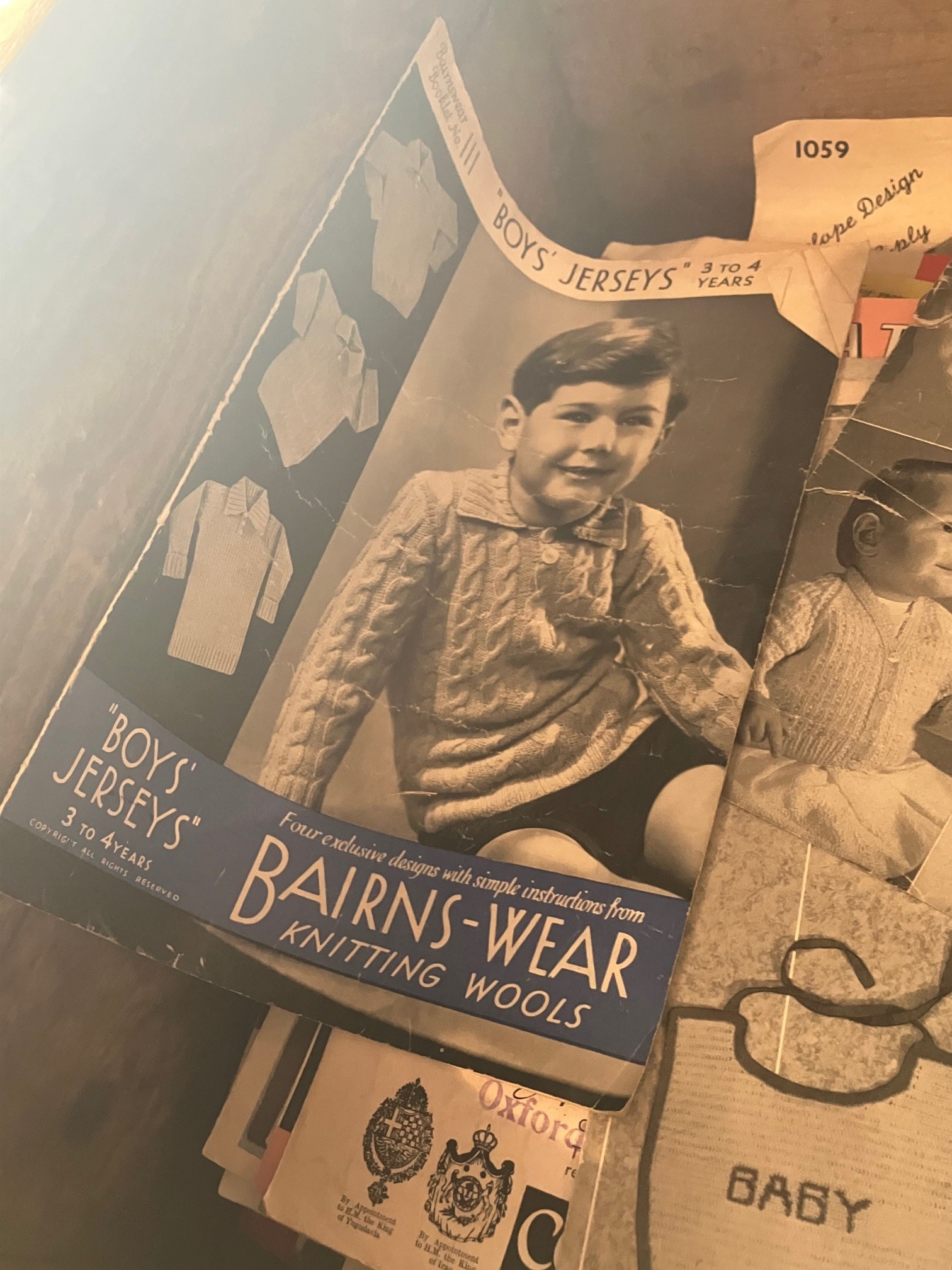
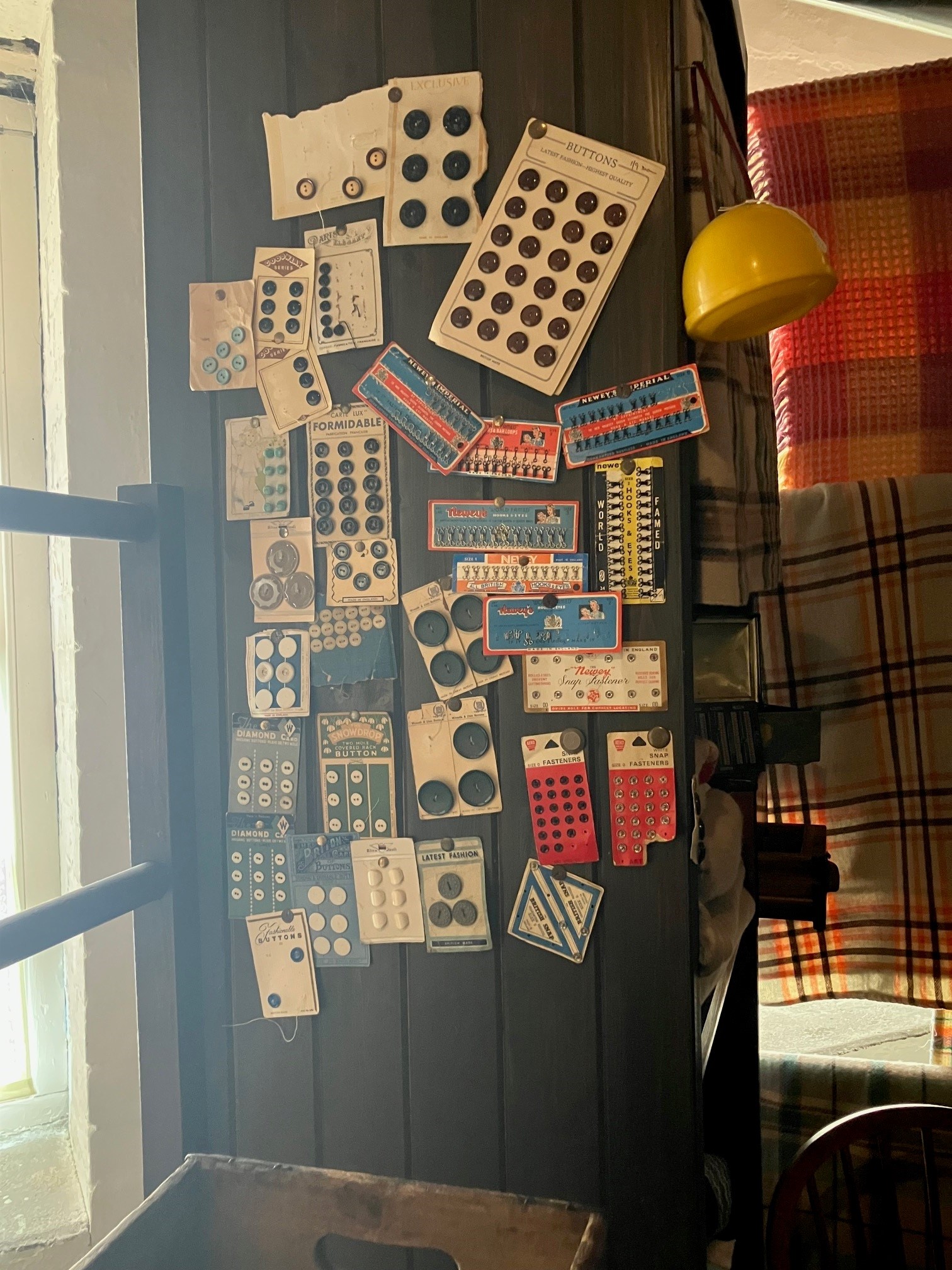
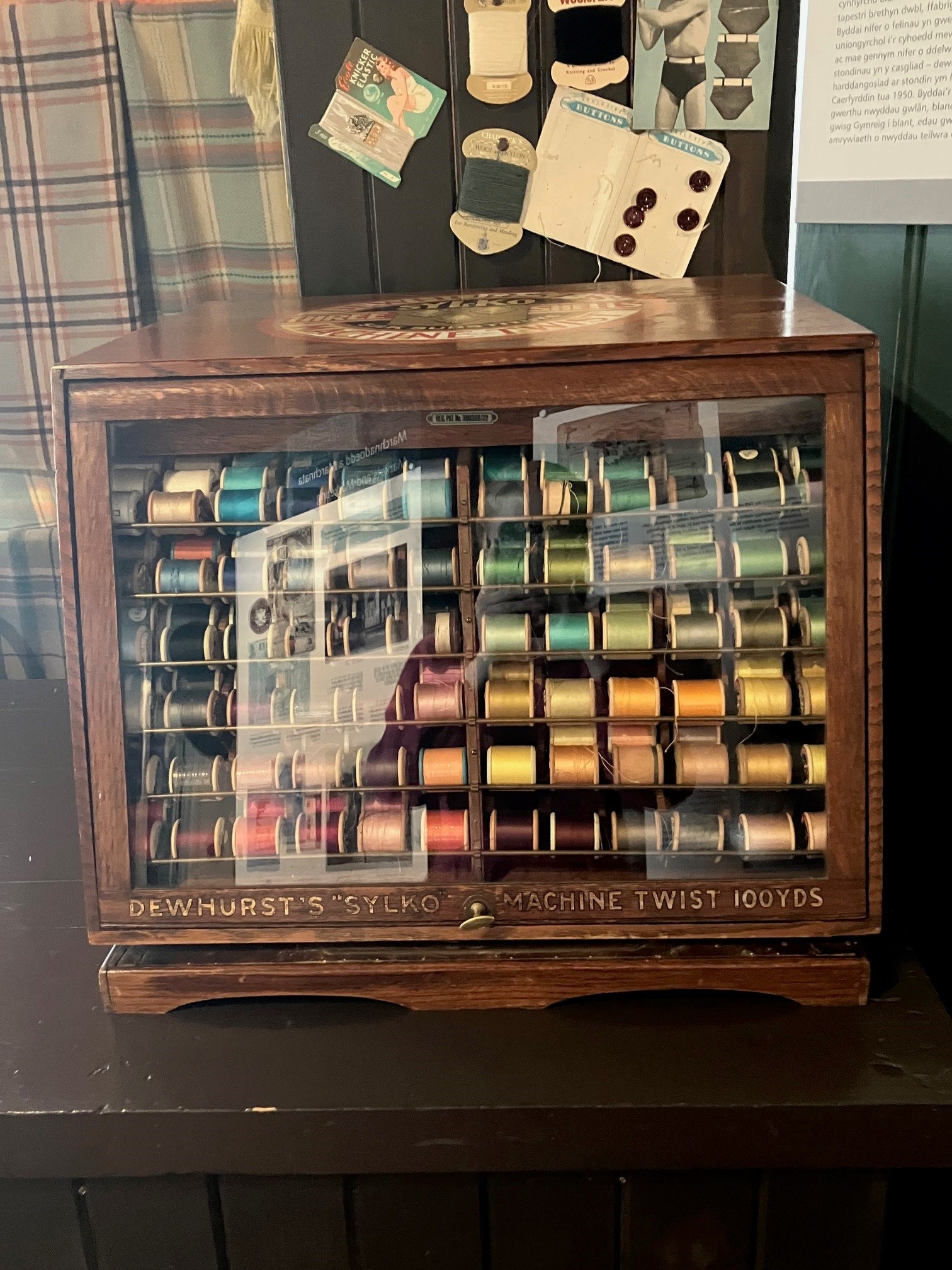
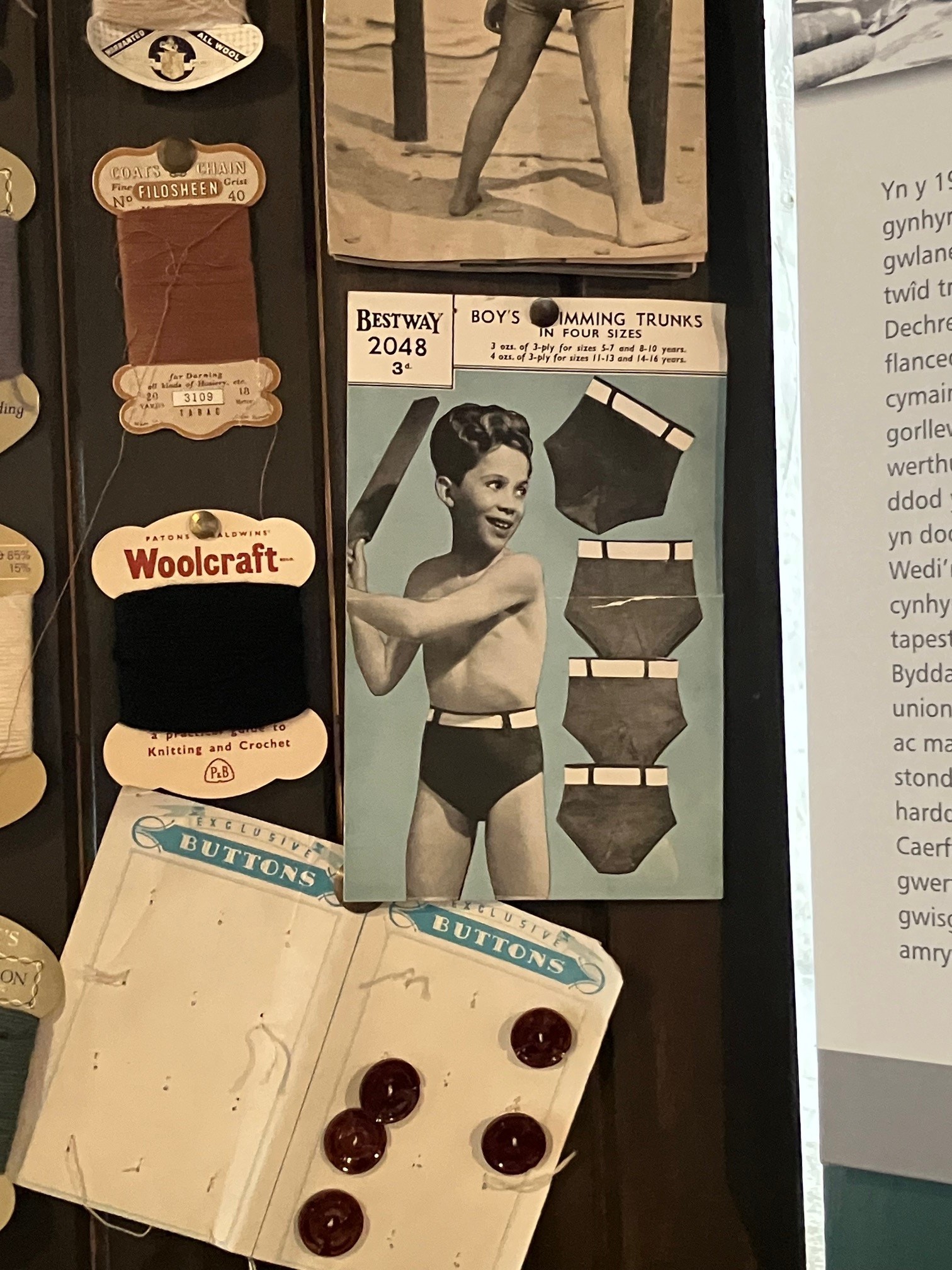
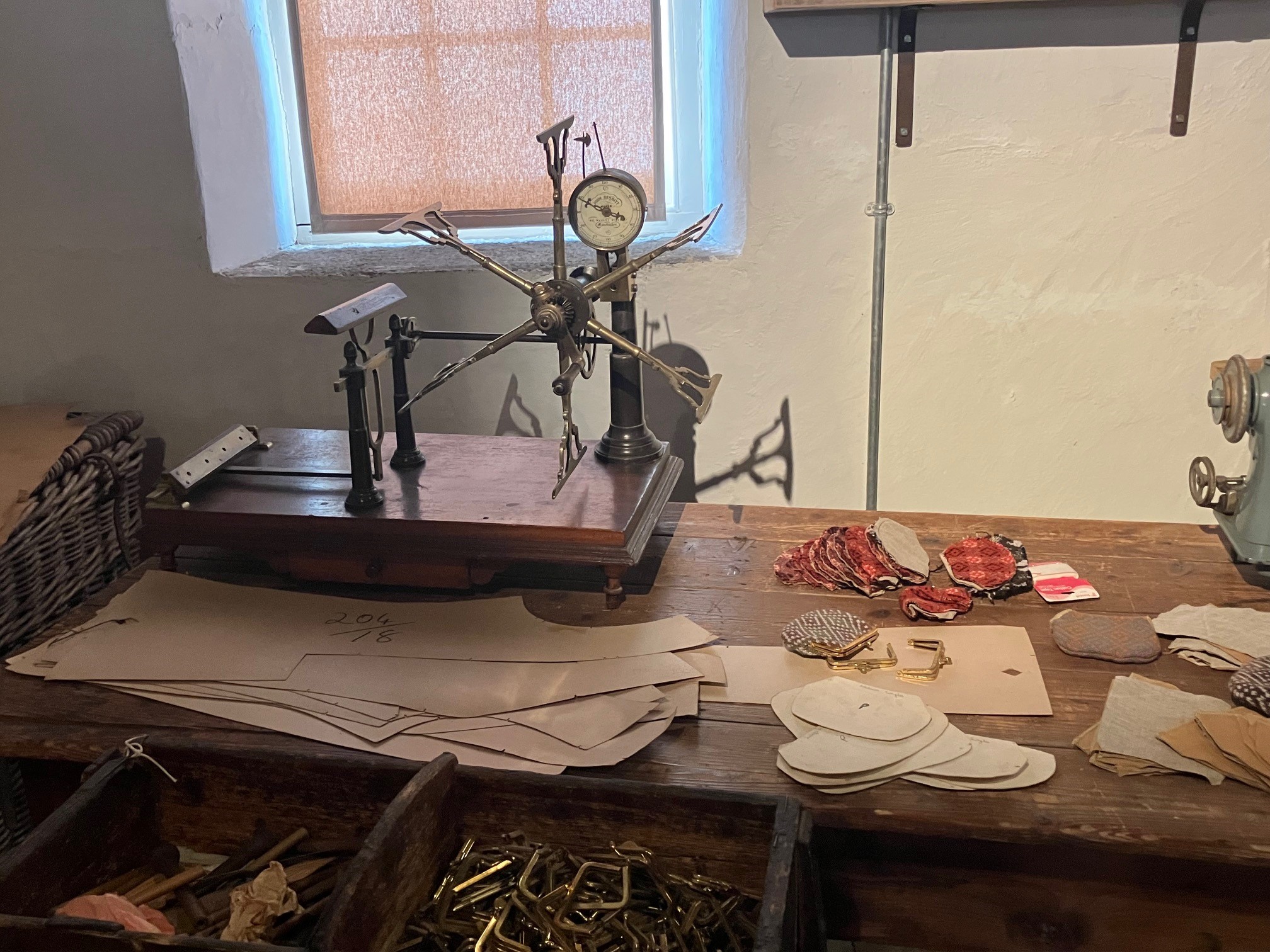
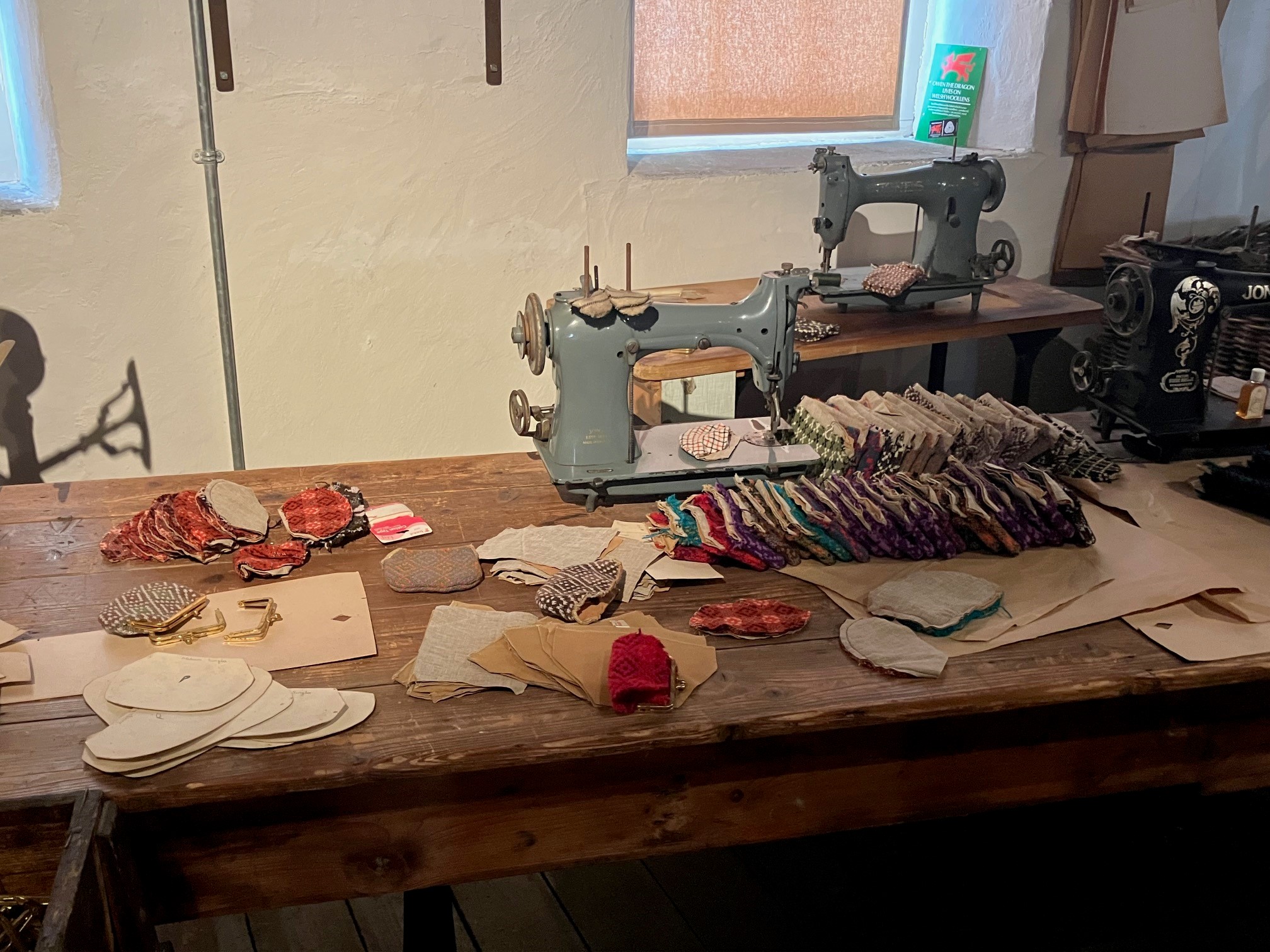
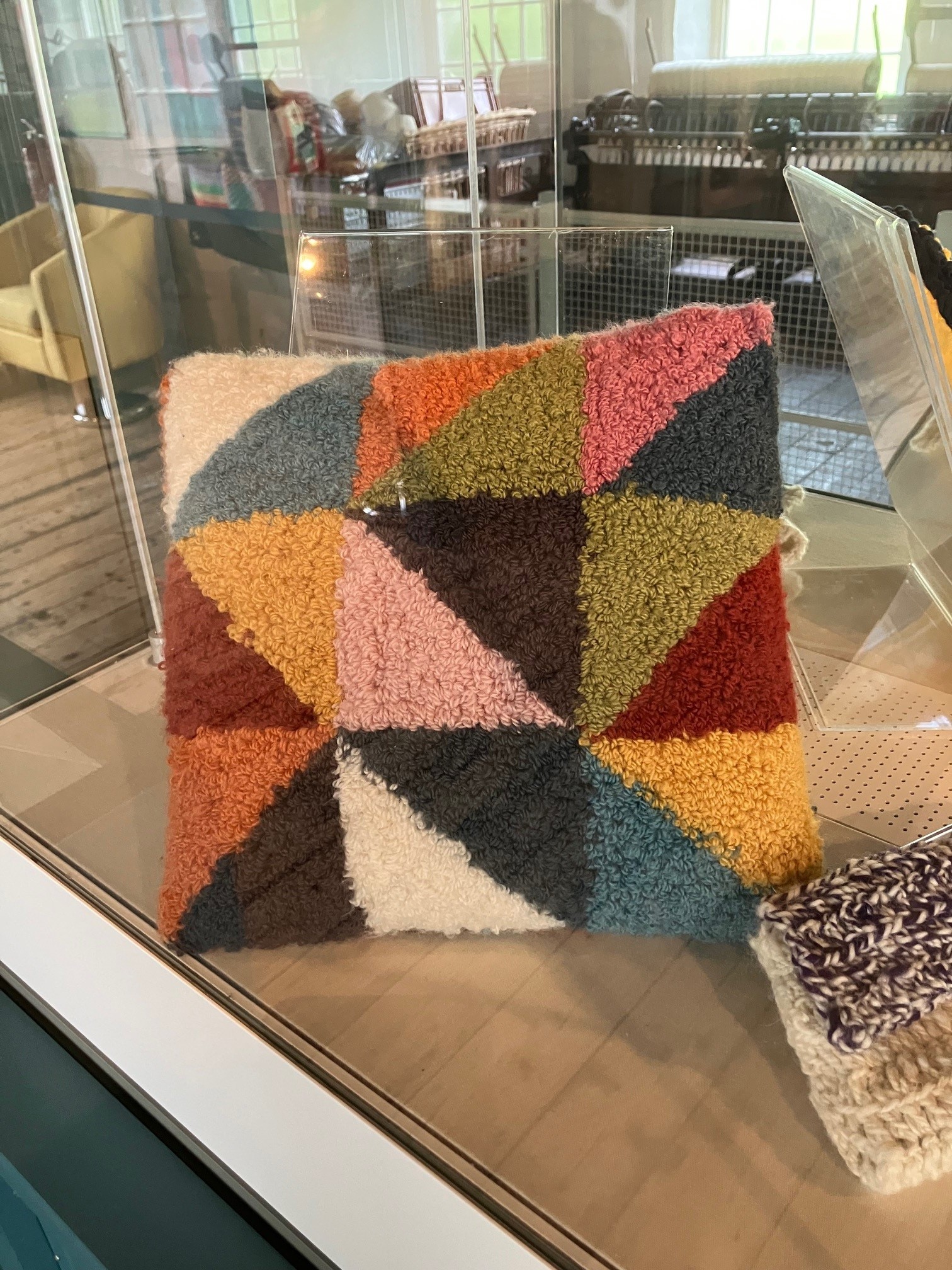
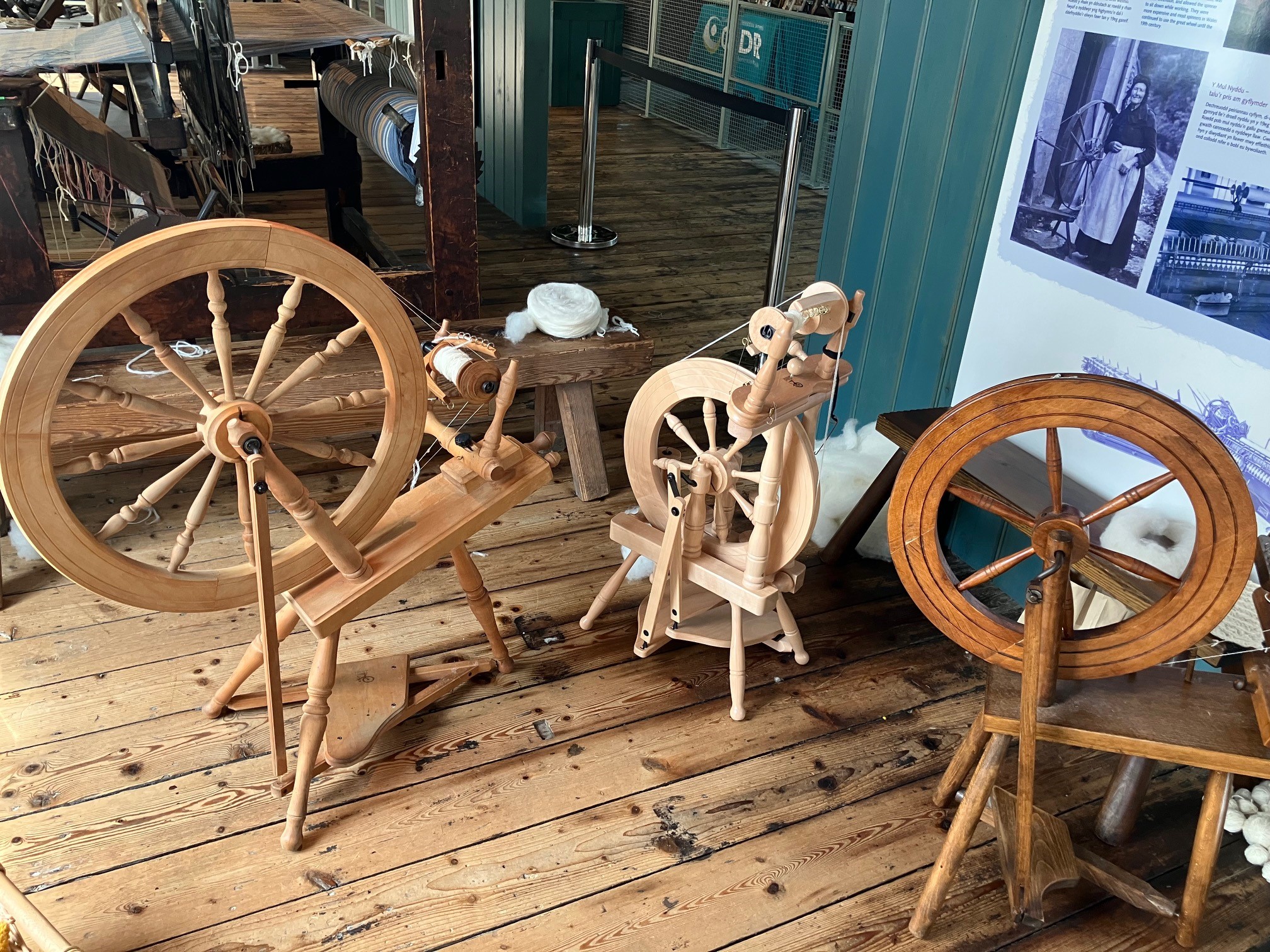
The other images share different stages of the process from fleece to wool and I recognised some of the processes from my trip to the Hillesvag factory in Norway. Once the wool was produced, it was made on site into woven textiles with varying finishes, such as blankets, suiting material and shawls. The displays I enjoyed the most were by volunteers who had dyed the wool naturally and knitted with it. There was also a set up of an old market haberdashers with vintage knitting patterns, spools and fastenings. The pattern for boys’ knitted swimming trunks made me laugh. This part of exhibition really warmed my heart because the haberdashers stall reminded me of my grandma’s sewing box and the odd spool and needle packet that pops up in mine. I wonder if any of you have any inherited haberdashery? I love seeing the price on things and how ‘cheap’ they were, in comparison to today. The photograph in the poorest possible lighting is a sock knitting machine and this got me very excited. I can’t understand why flat and circular knitting machines are available today, but not sock knitting machines. The only one I can find is in the US, which is 3D printed and it is a trifle expensive. If any of you have managed to buy a sock knitting machine, do share your experiences in the comments below.
Our time at the National Wool Museum came to an end and I would certainly rate the gift shop. Danny kept showing me Emma Ball knitting bags and accessories and I had to pretend to be disinterested, because I already have them hehe. Cloth can be bought at £28 per metre, which I think is fair, however I did not have a project in mind. I do believe in ‘use it or lose it’ with historical sights and I particularly enjoy those that connect me to my not so distant past. I still think it is amazing that in my lifetime, my maternal grandad was a miner and my dad was a weaver. How very different my life and opportunities are without local industrialisation.
 Little Miss Drop Stitch